Beginner’s Guide to Solar Water Heating: Learn How It Works, Uses, and Advantages
Solar water heating is a clean energy technology that uses sunlight to heat water for domestic, commercial, and institutional use. The concept exists to reduce dependence on conventional energy sources by directly converting solar radiation into thermal energy.
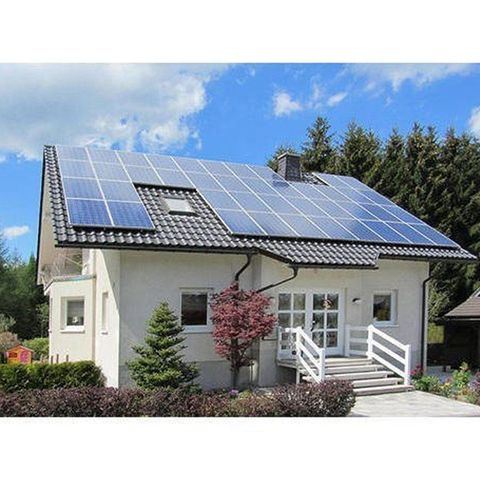
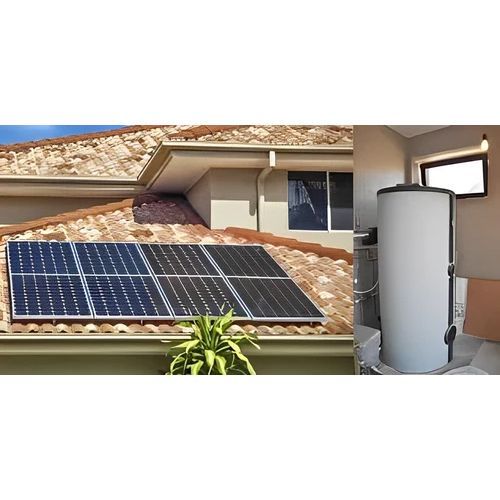
A typical solar water heating system consists of solar collectors, an insulated storage tank, and connecting pipes. When sunlight strikes the collector surface, heat is absorbed and transferred to water or a heat-transfer fluid. This warmed fluid then moves into a storage tank, making heated water available for daily activities.
Solar water heating systems were developed to address rising energy demand, environmental concerns, and the need for long-term energy efficiency solutions. Unlike electricity-based water heaters, these systems rely on a renewable energy source that is widely available in most regions.
Because hot water is a daily requirement in households, hospitals, hotels, and industrial facilities, solar water heating plays an important role in sustainable infrastructure planning.
Importance: Why Solar Water Heating Matters Today
Solar water heating has become increasingly relevant due to global energy transitions and climate awareness. It directly supports energy efficiency goals while lowering dependence on fossil fuels.
Key reasons this technology matters today include:
-
Growing pressure on electricity grids
-
Rising awareness of carbon emissions
-
Long-term sustainability planning
-
Increased urban and residential energy use
This technology affects a wide range of users, including homeowners, residential societies, educational institutions, healthcare facilities, and manufacturing units that require warm or hot water throughout the year.
Solar water heating helps address several challenges at once. It reduces greenhouse gas emissions, decreases load on conventional power systems, and supports energy independence at a local level. In regions with high solar exposure, it also improves overall energy utilization efficiency.
The importance of solar water heating extends beyond individual use, contributing to national renewable energy targets and climate action commitments.
How Solar Water Heating Works in Practice
A solar water heating system operates using a straightforward thermal process. Solar collectors installed on rooftops or open areas absorb sunlight and convert it into heat.
Main system components include:
-
Flat plate or evacuated tube collectors
-
Insulated hot water storage tanks
-
Circulation pipes and control valves
There are two primary system types:
-
Active systems, which use pumps to circulate water
-
Passive systems, which rely on natural convection
The efficiency of a system depends on factors such as sunlight availability, collector orientation, insulation quality, and local climate conditions.
Common Uses Across Sectors
Solar water heating systems are used in many settings where hot water demand is consistent and predictable.
Typical applications include:
-
Residential buildings
-
Hotels and hostels
-
Hospitals and clinics
-
Industrial process heating
-
Educational campuses
These systems are adaptable to different scales, from single-family homes to large institutional installations.
Advantages of Solar Water Heating
Solar water heating provides several long-term benefits related to sustainability and energy optimization.
Key advantages include:
-
Reduced reliance on conventional energy sources
-
Lower environmental impact
-
Stable performance over long operational periods
-
Support for renewable energy integration
From an infrastructure perspective, solar water heating systems are relatively simple, durable, and suitable for both urban and rural environments.
Recent Updates and Trends in Solar Water Heating
Over the past year, solar water heating has seen renewed attention due to updated renewable energy roadmaps and building efficiency standards.
In 2024, India reinforced its national renewable energy goals, emphasizing solar thermal technologies alongside photovoltaic systems. Several state governments updated building guidelines to encourage solar water heating in new residential and institutional constructions.
In March 2025, policy discussions around urban sustainability highlighted solar thermal adoption as a key method for reducing electricity demand during peak hours. Industry data also shows improved collector materials and better insulation designs introduced between 2024 and early 2025, enhancing system durability and thermal efficiency.
Another notable trend is the integration of solar water heating with smart energy monitoring systems, allowing better usage insights and performance tracking.
Laws and Policies Affecting Solar Water Heating
Solar water heating in India is influenced by renewable energy policies and building regulations at both central and state levels.
The Ministry of New and Renewable Energy (MNRE) promotes solar thermal technologies through technical standards, awareness programs, and inclusion in sustainability frameworks.
Many states include solar water heating provisions in:
-
Energy Conservation Building Code (ECBC) guidelines
-
Municipal building approval processes
-
Institutional sustainability policies
Public buildings, healthcare facilities, and large residential complexes are often encouraged to integrate solar water heating as part of energy efficiency compliance.
These policies aim to support national climate goals while improving long-term energy resilience.
Tools and Resources for Learning and Planning
Several educational and planning tools help users understand solar water heating systems more effectively.
Helpful resources include:
-
MNRE solar thermal information portals
-
Solar energy calculators for system sizing
-
Renewable energy performance estimation tools
-
Academic and technical research publications
-
Climate and solar radiation data platforms
These resources support informed decision-making and technical understanding without promoting commercial services.
Comparison Table: Solar Water Heating System Types
| System Type | Circulation Method | Typical Use Case | Climate Suitability |
|---|---|---|---|
| Flat Plate Collector | Natural or Pump | Residential | Moderate climates |
| Evacuated Tube Collector | Natural or Pump | Residential & Institutional | Cold and varied climates |
| Integral Collector Storage | Passive | Small households | Warm climates |
Performance Factors Overview
| Factor | Impact on Performance |
|---|---|
| Sunlight availability | Determines heating capacity |
| Collector angle | Affects solar absorption |
| Insulation quality | Reduces heat loss |
| Water usage patterns | Influences system efficiency |
FAQs About Solar Water Heating
What is a solar water heating system?
It is a technology that uses sunlight to heat water through solar collectors and insulated storage tanks.
Does solar water heating work on cloudy days?
Yes, although efficiency may be lower. Systems are designed to retain heat and function under varied conditions.
Is solar water heating suitable for apartments?
Yes, centralized systems are commonly used in multi-story residential buildings.
How long do solar water heating systems last?
With proper maintenance, systems can operate effectively for many years.
Can solar water heating support sustainability goals?
Yes, it directly contributes to renewable energy use and reduced emissions.
Conclusion
Solar water heating is a practical and environmentally responsible approach to meeting everyday hot water needs. By using renewable thermal energy, it supports energy efficiency, sustainability, and long-term resource planning.
With evolving policies, improved technology, and growing awareness, solar water heating continues to play an important role in modern energy systems. Understanding how it works, where it is used, and how it fits into current regulations helps individuals and institutions make informed, future-focused energy decisions.