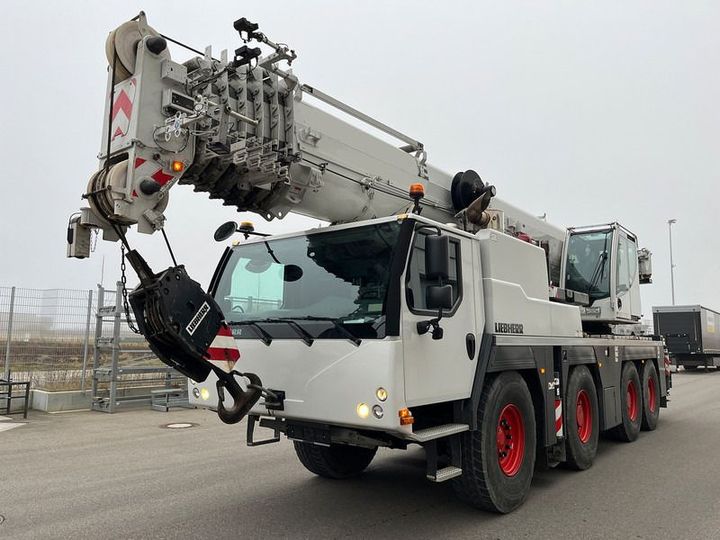
Explore Crane Lifting Tasks: An Overview of Methods, Safety, and Planning
Crane lifting tasks refer to the planned movement of loads using cranes in construction, manufacturing, logistics, energy, and infrastructure environments. These tasks exist to move heavy, oversized, or elevated materials that cannot be handled manually or with smaller equipment. Over time, crane lifting has evolved from basic hoisting to carefully engineered lifting operations supported by load calculations, rigging methods, and safety controls.
Modern crane lifting tasks combine mechanical capability with structured planning. They are designed to reduce manual handling risks, improve precision, and maintain stability while lifting loads vertically, horizontally, or along complex paths. The topic exists because uncontrolled lifting presents serious hazards, while well-planned lifting supports efficiency and safety across many industries.
Why Crane Lifting Tasks Matter Today
Crane lifting tasks matter because they directly affect worker safety, asset protection, and project reliability. As structures become taller and components heavier, lifting operations have become more complex and interdependent.
Who this topic affects includes:
-
Site supervisors and project planners
-
Crane operators and rigging teams
-
Safety officers and inspectors
-
Engineers responsible for structural integrity
Key problems crane lifting tasks address:
-
Reducing injury risks from manual handling
-
Preventing load drops and structural failures
-
Improving coordination on busy worksites
-
Supporting precise placement of heavy components
Clear lifting methods and safety practices help manage risk in environments where a single mistake can lead to severe consequences. Consistent planning also supports compliance with occupational safety expectations and insurance requirements.
Common Methods Used in Crane Lifting Tasks
Crane lifting methods vary based on load characteristics, site conditions, and crane type. Selecting the right method improves control and predictability.
Straight vertical lifts
-
Load is raised and lowered without horizontal travel
-
Common for placing equipment or materials into fixed positions
Pick-and-carry lifts
-
Crane lifts and moves the load simultaneously
-
Used when repositioning materials across short distances
Tandem or multiple-crane lifts
-
Two or more cranes share a single load
-
Applied for oversized or unusually shaped components
Blind lifts
-
Operator does not have a direct view of the load
-
Relies on signalers and clear communication protocols
Critical lifts
-
Involve high risk due to load weight, proximity to structures, or complexity
-
Require detailed lift plans and formal approvals
Safety Principles in Lifting Operations
Safety in crane lifting tasks relies on layered controls rather than a single action. Each control reduces risk at a different stage.
Key safety principles include:
-
Accurate load identification and weight verification
-
Use of rated rigging gear compatible with the load
-
Stable crane setup on prepared ground or foundations
-
Clear communication using standard hand signals or radios
-
Defined exclusion zones around the lifting area
The goal is to prevent sudden load shifts, overloading, or loss of control. Safety planning is most effective when it starts before the crane arrives on site.
Lift Planning and Risk Assessment Basics
Lift planning is the structured process of deciding how a lifting task will be performed. It connects engineering data with site realities.
Typical lift planning steps:
-
Review load dimensions, weight, and center of gravity
-
Select crane type and configuration using load charts
-
Define rigging methods and attachment points
-
Assess environmental factors such as wind and visibility
-
Assign roles for operators, signalers, and supervisors
Risk assessments identify hazards such as overhead obstacles, ground instability, or nearby operations. Controls are then defined to reduce these risks to acceptable levels.
Recent Updates and Industry Trends
Over the past year, crane lifting practices have continued to shift toward data-driven planning and digital support tools.
2025 trends observed across the industry include:
-
Increased use of digital lift planning software with 3D visualization
-
Wider adoption of anti-collision and load monitoring systems
-
Greater emphasis on documented competency verification
-
More frequent reference to standardized lift categories and checklists
In late 2025, several industry bodies updated guidance to emphasize environmental monitoring, especially wind limits for high-reach cranes. These updates reflect a broader focus on proactive risk control rather than reactive incident response.
Regulatory and Policy Influence on Crane Lifting
Crane lifting tasks are shaped by occupational safety regulations and technical standards. While details vary by jurisdiction, common regulatory themes remain consistent.
Typical regulatory expectations include:
-
Equipment certification and periodic inspection
-
Operator authorization based on training and assessment
-
Documented lift planning for complex or high-risk tasks
-
Incident reporting and record keeping
International standards, such as ISO-based guidelines for cranes and lifting accessories, often influence national rules. Government safety programs also encourage safer lifting through inspections, guidance publications, and enforcement actions.
These frameworks exist to ensure that lifting operations follow recognized safety principles rather than improvised practices.
Tools and Resources That Support Lifting Tasks
A range of non-promotional tools and reference resources support planning and execution of crane lifting tasks.
Commonly used resources include:
-
Load chart manuals for specific crane models
-
Digital lift planning applications with simulation features
-
Rigging reference guides and sling angle calculators
-
Weather monitoring tools for wind and visibility
-
Standardized lift plan templates and checklists
Example comparison of planning resources
| Resource Type | Primary Use | Key Benefit |
|---|---|---|
| Load charts | Capacity verification | Prevents overloading |
| Lift plan templates | Task documentation | Consistent planning |
| Sling calculators | Rigging angles | Improved load balance |
| Weather tools | Environmental checks | Reduced external risk |
These resources help teams align practical actions with documented safety expectations.
Visual Overview of a Typical Lift Planning Flow
Below is a simplified representation of how a lifting task is typically planned and reviewed.
| Step | Focus Area | Outcome |
|---|---|---|
| Load analysis | Weight and shape | Verified load data |
| Crane selection | Reach and capacity | Suitable configuration |
| Risk review | Site and environment | Defined controls |
| Execution briefing | Team coordination | Shared understanding |
| Post-lift review | Lessons learned | Continuous improvement |
This structured flow supports clarity and accountability at each stage of the task.
Frequently Asked Questions About Crane Lifting Tasks
What makes a lift “critical”?
A lift is considered critical when factors such as high load weight, limited clearance, complex movement, or shared lifting increase the level of risk and require enhanced planning.
Why are load charts essential?
Load charts define the safe working limits of a crane under specific configurations. They help prevent overloading and instability during lifting operations.
How does rigging affect lift safety?
Proper rigging ensures that the load is balanced and securely attached. Incorrect sling angles or attachment points can increase stress and cause load movement.
What role do signalers play?
Signalers provide clear direction to the operator, especially during blind lifts or congested conditions. Consistent signals reduce misunderstanding.
How often should lifting plans be reviewed?
Plans should be reviewed whenever conditions change, such as load modifications, weather shifts, or site layout adjustments.
Concluding Perspective on Crane Lifting Tasks
Crane lifting tasks are a foundational part of modern industrial and construction activity. They exist to move heavy and complex loads safely, but they require more than mechanical strength alone. Effective lifting depends on planning, method selection, safety awareness, and adherence to regulatory expectations.
As technology and standards continue to evolve, structured lift planning and risk-based thinking remain central. Understanding methods, safety principles, and available tools helps ensure that lifting operations are controlled, predictable, and aligned with recognized best practices.