Explore Laser Cutting Machines: Complete Guide, Basics, Explanation, and Essential Knowledge
Laser cutting machines are advanced industrial systems that use a highly focused beam of light to cut, engrave, or shape materials with precision. The term “laser” stands for Light Amplification by Stimulated Emission of Radiation. These machines were developed to address the need for cleaner cuts, tighter tolerances, and greater automation compared to traditional mechanical cutting methods.
Initially introduced for scientific and aerospace applications, laser cutting technology gradually became common in manufacturing, fabrication, electronics, automotive components, and metal processing. Today, laser cutting machines are designed to work with metals, plastics, wood, composites, and other engineered materials.
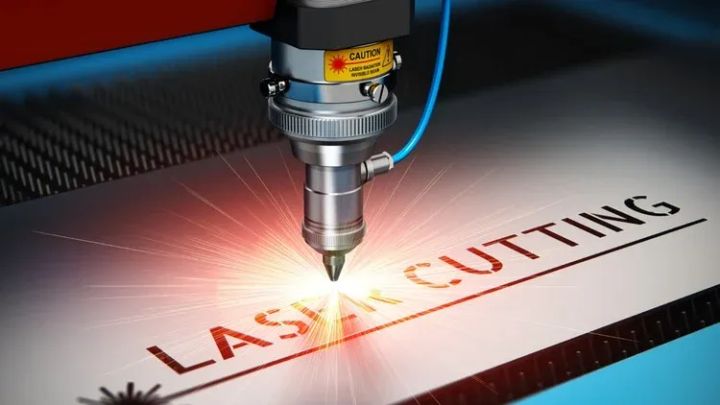
At a basic level, the machine directs a controlled laser beam onto a material surface. The intense heat causes melting, burning, or vaporization along a predefined path generated through computer-controlled instructions.
Why Laser Cutting Machines Matter in Modern Industry
Laser cutting machines play a critical role in today’s industrial ecosystem due to their accuracy, consistency, and adaptability. As production standards become stricter and designs more complex, traditional cutting methods often struggle to meet modern requirements.
These machines impact a wide range of stakeholders, including manufacturing engineers, production planners, quality teams, and safety regulators. Their importance lies in the problems they help solve.
Key reasons laser cutting machines are essential today include:
-
High precision for complex geometries and fine detailing
-
Minimal material distortion due to localized heat zones
-
Reduced material waste through optimized cutting paths
-
Compatibility with automated and digital manufacturing systems
-
Improved repeatability across large production volumes
Industries such as automotive manufacturing, electronics assembly, industrial equipment production, and infrastructure components rely heavily on laser cutting to maintain accuracy and compliance with design specifications.
Recent Developments and Technology Trends
Over the past year, laser cutting technology has continued to evolve, driven by efficiency goals and digital manufacturing trends.
In March 2025, multiple industrial equipment manufacturers introduced higher-efficiency fiber laser systems capable of improved energy conversion and faster processing speeds. These systems are increasingly replacing older CO₂-based configurations in metal-focused applications.
By August 2025, advancements in AI-assisted motion control became more visible. These systems dynamically adjust cutting parameters based on material thickness and edge quality feedback, improving consistency without manual recalibration.
Another notable trend in late 2025 was the integration of real-time monitoring sensors. These sensors track beam stability, temperature variation, and alignment accuracy, helping operators detect deviations early and reduce operational errors.
The past year also saw wider adoption of Industry 4.0 compatibility, enabling laser cutting machines to connect with manufacturing execution systems (MES) and production analytics platforms.
Laws, Standards, and Regulatory Considerations in India
In India, laser cutting machines are subject to several safety, electrical, and environmental regulations. These rules are designed to protect operators, facilities, and surrounding environments.
Key regulatory frameworks include:
-
Factories Act, 1948
Governs workplace safety, including machinery operation and worker protection. -
Bureau of Indian Standards (BIS)
Provides guidelines related to electrical safety, machine design, and performance standards. -
Occupational Safety, Health and Working Conditions Code, 2020
Covers risk management, exposure control, and equipment safety practices. -
Central Pollution Control Board (CPCB) Guidelines
Address emissions, fumes, and waste handling associated with industrial cutting processes.
Laser cutting operations must also comply with laser safety classifications aligned with international standards such as IEC 60825, which define exposure limits and protective measures.
Common Types of Laser Cutting Machines
Laser cutting machines are categorized based on the type of laser source used. Each type has specific characteristics and use cases.
| Laser Type | Common Materials | Key Characteristics |
|---|---|---|
| Fiber Laser | Steel, aluminum, copper | High efficiency, low maintenance |
| CO₂ Laser | Wood, acrylic, plastics | Smooth edges on non-metals |
| Nd:YAG Laser | Metals, ceramics | Pulsed operation capability |
These categories help users understand which system aligns best with material properties and production requirements.
Helpful Tools, Software, and Learning Resources
Several digital tools and educational resources support understanding and operation of laser cutting machines.
Useful resources include:
-
CAD/CAM software for generating cutting paths and layouts
-
Laser parameter calculators for power, speed, and focus settings
-
Government safety portals providing machinery compliance guidance
-
Technical standards documents from BIS and IEC
-
Manufacturing technology journals and industrial research platforms
These tools assist with planning, compliance awareness, and technical learning without focusing on commercial transactions.
Laser Cutting Process Overview
The laser cutting workflow typically follows a structured sequence:
-
Design preparation using computer-aided software
-
Material positioning and alignment
-
Laser parameter configuration
-
Controlled beam emission along programmed paths
-
Monitoring and post-cut inspection
Below is a simplified representation of the process flow:
| Stage | Description |
|---|---|
| Design Input | Digital drawing creation |
| Machine Setup | Focus and alignment checks |
| Cutting Phase | Laser-material interaction |
| Quality Review | Edge and tolerance verification |
This structured approach ensures consistency and repeatability across operations.
Frequently Asked Questions About Laser Cutting Machines
What materials can laser cutting machines handle?
They can work with metals, plastics, wood, composites, and certain ceramics, depending on the laser type and configuration.
How accurate are laser cutting machines?
Modern systems achieve tolerances within fractions of a millimeter, making them suitable for high-precision components.
Are laser cutting machines safe to use?
Yes, when operated according to safety standards, including proper enclosures, protective equipment, and training.
What is the difference between fiber and CO₂ lasers?
Fiber lasers are more efficient for metals, while CO₂ lasers are commonly used for non-metal materials with smooth finish requirements.
Do laser cutting machines require skilled operation?
Basic operation relies on software control, but technical knowledge is important for setup, optimization, and safety compliance.
Conclusion
Laser cutting machines represent a significant advancement in modern manufacturing and material processing. Their ability to deliver precision, consistency, and adaptability has made them an integral part of industrial workflows. With ongoing technological improvements, increased automation, and evolving regulatory frameworks, understanding how these machines work is essential for informed decision-making and compliance awareness.
As industries continue to adopt digital manufacturing practices, laser cutting machines are expected to remain a foundational technology supporting innovation, quality control, and operational efficiency.