Explore Packing Machines: Informative Guide Covering Basics, Technology, Uses, and Key Insights
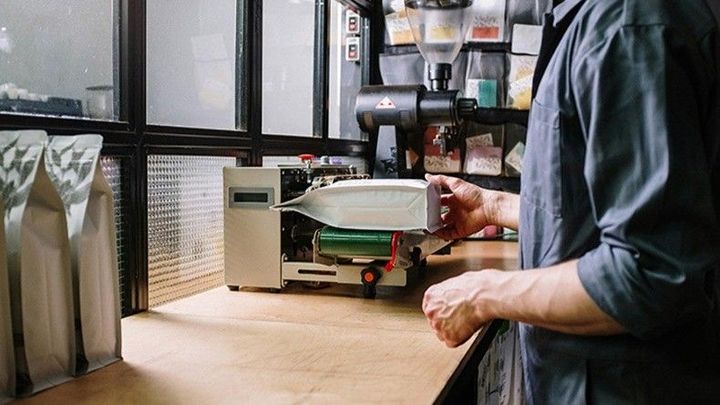
Packing machines are mechanical and automated systems designed to enclose, wrap, fill, seal, or label products for storage, transport, and distribution. They exist to standardize how goods are packed, protect items from damage, and support organized movement through supply chains. From food items and pharmaceuticals to consumer goods and industrial components, packing machines help ensure products remain intact, traceable, and presentable throughout their lifecycle.
Over time, packing machines have evolved from simple manual tools into advanced automated packaging systems. This evolution reflects the growing need for speed, accuracy, hygiene, and consistency in modern production environments.
Why Packing Machines Matter in Today’s Economy
Packing machines play a crucial role in many industries and directly affect manufacturers, distributors, regulators, and end users. As production volumes increase and product standards become stricter, manual packing alone is often insufficient.
Key reasons packing machines are important today include:
-
Support for large-scale manufacturing and distribution
-
Improved consistency in packaging size, weight, and sealing
-
Reduced material waste through precise measurement
-
Enhanced product safety and contamination control
-
Easier compliance with labeling and traceability rules
Industries such as food processing, pharmaceuticals, agriculture, logistics, and consumer goods rely on industrial packaging equipment to manage complex workflows. Automated packing technology also helps address challenges like labor variability, hygiene risks, and packaging errors.
Types of Packing Machines and How They Work
Packing machines are categorized based on function, level of automation, and product type. Each type addresses specific packaging requirements.
Common categories include:
-
Filling machines for liquids, powders, granules, or solids
-
Sealing machines using heat, pressure, or adhesives
-
Wrapping machines for shrink wrapping or stretch wrapping
-
Cartoning machines for placing products into boxes
-
Labeling machines for applying product information
Automation levels typically include:
-
Manual-assisted systems
-
Semi-automatic packaging machines
-
Fully automated packaging lines
Basic operational stages often involve:
-
Product feeding
-
Measuring or counting
-
Packaging material handling
-
Sealing or closing
-
Labeling and inspection
Core Technologies Used in Modern Packing Machines
Modern packing machines rely on a combination of mechanical design, electronics, and software. These technologies aim to improve accuracy, speed, and reliability.
Key technologies include:
-
Programmable logic controllers (PLCs)
-
Servo motors for precise movement
-
Sensors for weight, volume, and position detection
-
Human-machine interfaces (HMIs) for monitoring
-
Machine vision systems for inspection
Technology comparison overview
| Technology Component | Primary Function | Practical Impact |
|---|---|---|
| Sensors | Detect weight and position | Reduces packing errors |
| PLC systems | Control operations | Ensures process stability |
| Servo motors | Precise motion control | Improves speed consistency |
| Vision systems | Quality inspection | Identifies defects early |
Integration of digital packaging solutions has also enabled data collection for performance tracking and preventive maintenance.
Key Applications Across Industries
Packing machines are used in a wide range of sectors, each with specific operational and regulatory requirements.
Major application areas include:
-
Food and beverage packaging equipment
-
Pharmaceutical packaging machinery
-
Agricultural produce packing
-
Chemical and industrial material packaging
-
E-commerce and logistics packaging
Example use-case distribution (illustrative trend overview):
| Industry Sector | Approximate Usage Share |
|---|---|
| Food and beverage | High |
| Pharmaceuticals | Moderate to high |
| Consumer goods | Moderate |
| Industrial materials | Moderate |
| Agriculture | Growing |
This broad applicability makes packing machines a foundational element of modern industrial infrastructure.
Recent Developments and Industry Trends
Over the past year, the packing machine sector has continued to adapt to technological and regulatory pressures.
Notable trends observed during 2025 include:
-
Increased adoption of automation and robotics in packaging lines
-
Growing use of smart sensors and data analytics
-
Focus on sustainable packaging materials compatibility
-
Expansion of compact machine designs for space efficiency
In mid-2025, several manufacturers showcased modular automated packaging systems designed to adapt quickly to different product formats. There has also been wider discussion around integrating artificial intelligence for quality inspection and predictive maintenance.
Laws, Standards, and Policy Considerations in India
In India, packing machines are influenced by a combination of national standards, safety regulations, and sector-specific rules. These frameworks aim to protect consumers, ensure fair trade, and maintain safety.
Key regulatory influences include:
-
Legal Metrology Act for weight and measurement accuracy
-
Food Safety and Standards Authority of India (FSSAI) guidelines for food packaging
-
Bureau of Indian Standards (BIS) norms for machinery safety
-
Environmental rules related to packaging waste management
Government initiatives promoting manufacturing modernization and standardization have indirectly encouraged the adoption of compliant packaging machinery across industries.
Useful Tools, References, and Learning Resources
Several tools and resources help users understand, evaluate, and manage packing machines more effectively.
Helpful resources include:
-
Packaging process flow templates
-
Machinery maintenance scheduling tools
-
Industry standards documentation from BIS
-
Technical glossaries for packaging terminology
-
Educational portals on industrial automation
Common digital aids used in packaging environments:
-
Production monitoring dashboards
-
Equipment efficiency calculators
-
Documentation management systems
These resources support informed decision-making and better operational understanding.
Frequently Asked Questions About Packing Machines
What is the main purpose of a packing machine?
A packing machine standardizes how products are enclosed or sealed, helping protect goods, improve consistency, and support efficient distribution.
Are packing machines only used in large factories?
No. Packing machines range from small-scale units to large automated systems and are used in both small facilities and large industrial setups.
How do automated packaging systems improve accuracy?
They use sensors, programmed controls, and precise motors to ensure consistent measurements, sealing, and labeling.
Do packing machines support regulatory compliance?
Yes. Many machines are designed to meet measurement accuracy, hygiene, and labeling standards required by regulators.
Can packing machines handle different product types?
Many modern machines are adaptable and can be configured for different sizes, shapes, and materials within defined limits.
Key Insights and Takeaways
Packing machines are a vital component of modern production and distribution systems. They exist to improve consistency, safety, and efficiency in how products are prepared for movement and storage. Advances in automation, digital controls, and monitoring technologies have expanded their capabilities and applications.
As industries continue to scale and regulations evolve, understanding the basics, technology, and context of packing machines helps stakeholders make informed, compliant, and sustainable choices. This knowledge supports better planning, safer operations, and long-term efficiency across diverse sectors.