Guide to Hospital Equipment: Overview, Basics, and Essential Medical Tools Explained
Hospital equipment refers to the wide range of medical devices, instruments, and systems used in healthcare facilities to support diagnosis, monitoring, treatment, and patient care. These tools exist to assist healthcare professionals in delivering accurate, safe, and standardized medical services across different clinical environments.
From basic tools such as thermometers and blood pressure monitors to advanced imaging systems and life-support machines, hospital equipment forms the backbone of modern healthcare infrastructure. Its development is closely linked to advancements in medical science, patient safety standards, and public health requirements.
Hospitals rely on equipment to maintain consistent care delivery, reduce human error, and improve clinical outcomes. Without standardized medical tools, healthcare systems would face significant challenges in efficiency, safety, and reliability.
Why Hospital Equipment Matters Today
Hospital equipment plays a critical role in addressing the growing demands of healthcare systems worldwide. Aging populations, chronic disease management, and emergency preparedness have increased the reliance on accurate and durable medical devices.
This topic affects multiple groups, including patients, healthcare workers, hospital administrators, and public health authorities. Proper equipment use helps prevent misdiagnosis, supports infection control, and enables faster medical response during emergencies.
Key problems addressed by hospital equipment include:
-
Delays in diagnosis and treatment
-
Inconsistent patient monitoring
-
Increased risk of medical errors
-
Limited capacity during public health emergencies
By supporting standardized clinical workflows, hospital equipment contributes to improved patient safety and healthcare system resilience.
Common Categories of Hospital Equipment
Hospital equipment can be grouped into several functional categories based on usage and clinical purpose.
Diagnostic Equipment
Used to identify medical conditions and monitor health indicators.
Examples include:
-
X-ray machines
-
Ultrasound systems
-
MRI and CT scanners
-
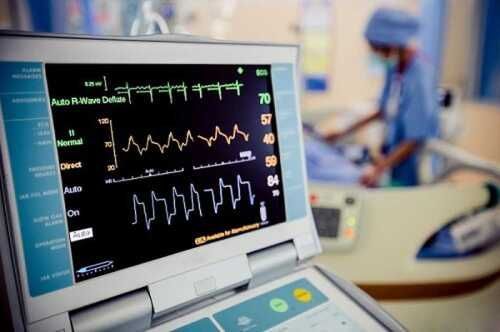
Electrocardiogram (ECG) devices
Monitoring Equipment
Designed to track vital signs and patient status over time.
Common tools include:
-
Patient monitors
-
Pulse oximeters
-
Blood pressure monitors
-
Cardiac monitoring systems
Therapeutic and Life-Support Equipment
Used in treatment and critical care environments.
Examples include:
-
Ventilators
-
Infusion pumps
-
Dialysis machines
-
Defibrillators
Surgical and Clinical Instruments
Support procedures and clinical interventions.
Includes:
-
Surgical tables
-
Anesthesia machines
-
Sterilization units
-
Endoscopic tools
Overview of Essential Hospital Equipment by Function
| Equipment Category | Primary Function | Typical Hospital Area |
|---|---|---|
| Diagnostic Devices | Disease identification | Radiology, OPD |
| Monitoring Systems | Vital sign tracking | ICU, wards |
| Life-Support Tools | Critical care support | ICU, emergency |
| Surgical Equipment | Procedural assistance | Operating rooms |
| Infection Control Tools | Hygiene and safety | All departments |
Recent Developments and Trends in Hospital Equipment
Over the past year, hospital equipment has seen notable updates driven by technology integration and regulatory changes.
In 2024, increased adoption of digital health technologies improved equipment interoperability and data accuracy. Smart patient monitoring systems and connected medical devices became more common, supporting centralized data review and clinical decision-making.
There has also been greater emphasis on infection prevention technologies following global public health lessons from recent years. Enhanced sterilization systems and contact-less monitoring tools gained wider use in hospital environments.
In India, updates to medical device classification and expanded regulatory coverage continued through 2023–2024, bringing more hospital equipment under formal compliance frameworks. These changes aimed to improve safety oversight and product traceability.
Laws, Policies, and Regulatory Oversight in India
Hospital equipment in India is governed under medical device regulations that fall within the broader healthcare compliance framework.
Key regulatory elements include:
-
Medical Devices Rules (MDR), initially introduced in 2017 and expanded through subsequent amendments
-
Oversight by the Central Drugs Standard Control Organization (CDSCO)
-
Risk-based classification of medical devices
-
Mandatory quality and safety standards for notified equipment
Government healthcare programs also influence equipment standards by defining minimum requirements for public hospitals and medical institutions.
These policies aim to ensure patient safety, standardization, and accountability across healthcare facilities.
Tools and Resources for Learning About Hospital Equipment
Several educational and reference tools support understanding of hospital equipment and medical devices.
Helpful resources include:
-
World Health Organization (WHO) medical device technical series
-
CDSCO official guidance documents
-
Hospital equipment maintenance manuals
-
Medical device classification databases
-
Healthcare safety and compliance checklists
Digital learning platforms and academic publications also provide structured insights into equipment standards, clinical usage, and safety practices.
Equipment Lifecycle and Safety Considerations
Hospital equipment follows a defined lifecycle that includes evaluation, installation, usage, maintenance, and decommissioning. Each stage requires adherence to safety protocols and documentation practices.
Key safety considerations include:
-
Regular calibration and performance checks
-
Staff training and usage guidelines
-
Infection prevention procedures
-
Incident reporting mechanisms
Proper lifecycle management helps reduce equipment-related risks and supports long-term operational reliability.
Sample Equipment Risk Classification Overview
| Risk Level | Description | Example Devices |
|---|---|---|
| Low Risk | Minimal patient interaction | Thermometers |
| Moderate Risk | Diagnostic or monitoring use | ECG monitors |
| High Risk | Life-support or invasive use | Ventilators |
Frequently Asked Questions About Hospital Equipment
What is considered hospital equipment?
Hospital equipment includes medical devices, instruments, and systems used for diagnosis, monitoring, treatment, and patient support within healthcare facilities.
How is hospital equipment regulated in India?
It is regulated under the Medical Devices Rules and overseen by national health authorities to ensure safety and quality compliance.
Why is equipment standardization important?
Standardization helps reduce errors, improves patient safety, and ensures consistent healthcare delivery across facilities.
How often is hospital equipment inspected or checked?
Inspection frequency depends on the device type, risk level, and institutional policies, with critical equipment reviewed more regularly.
What role does technology play in modern hospital equipment?
Technology supports data accuracy, remote monitoring, system integration, and improved clinical decision-making.
Conclusion
Hospital equipment is a foundational element of modern healthcare systems. It supports accurate diagnosis, effective treatment, and continuous patient monitoring across medical settings. As healthcare demands evolve, equipment standards, regulations, and technologies continue to adapt to ensure safety and reliability.
Understanding the purpose, categories, and regulatory environment of hospital equipment helps readers appreciate its role in public health and clinical care. With ongoing updates and oversight, these essential medical tools remain central to improving healthcare outcomes and system efficiency.