Guide to Villas in Thailand: Overview, Types, Locations, and Key Facts
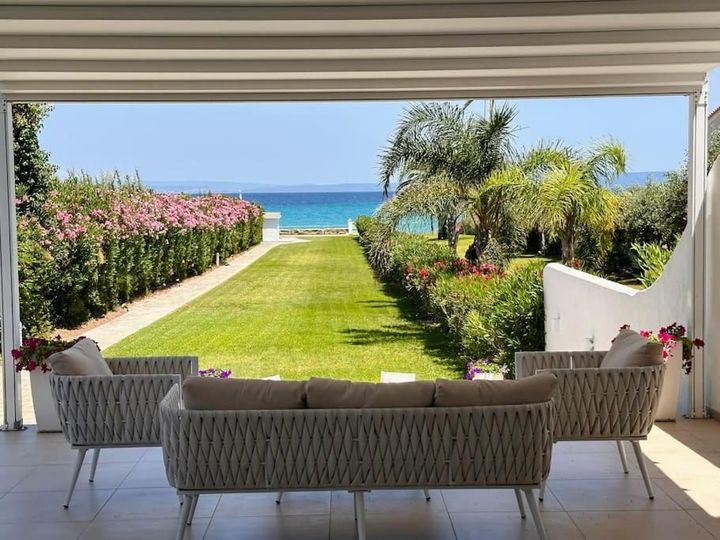
Villas in Thailand represent a distinct category of residential property designed for private living, extended stays, or long-term personal use. Unlike apartments or condominiums, villas are typically detached or semi-detached buildings with dedicated land areas, offering greater privacy and space.
The concept of villas in Thailand has developed alongside the country’s tourism growth, urban expansion, and increasing interest in low-density housing. Over time, villas have become common in both urban fringe zones and coastal regions, reflecting lifestyle preferences for private outdoor areas, natural surroundings, and flexible interior layouts.
Today, villas are found across multiple regions of Thailand, ranging from hillside developments to suburban residential communities. Their design often blends traditional Thai architectural elements with modern construction standards.
Importance: Why Villas in Thailand Matter Today
Villas play an important role in Thailand’s residential landscape due to changing living patterns and demographic shifts. Factors such as remote work, longer stays by international residents, and domestic migration toward resort-style locations have increased attention on villa-based housing.
This topic matters for:
-
Individuals researching residential property structures
-
Families seeking low-density living environments
-
Long-term residents comparing housing types
-
Students and analysts studying Southeast Asian property markets
Villas address practical needs that other housing formats may not fully solve, including:
-
Greater personal space and privacy
-
Outdoor living areas such as gardens or terraces
-
Flexible layouts suitable for multi-generational households
-
Reduced reliance on shared facilities
As urban centers become denser, villas provide an alternative housing model that balances comfort, functionality, and environmental integration.
Recent Updates and Trends in Thailand Villas
Over the past year, several notable trends have shaped villa-related discussions in Thailand.
2024–2025 Residential Design Trends
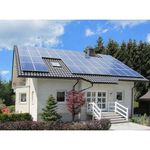
Developments during 2024 highlighted increased interest in energy-efficient construction, including natural ventilation, shaded layouts, and solar-ready rooftops. Architects have emphasized climate-responsive designs suited to tropical conditions.
Shift Toward Secondary Locations (Late 2024)
Areas outside major urban centers, such as inland districts near Phuket and Chiang Mai, gained attention due to lower congestion and improved infrastructure access.
Regulatory Awareness Growth (2025)
In early 2025, public awareness increased around land-use rules and ownership structures, especially among international residents seeking long-term clarity. Educational content and government guidance materials became more widely referenced.
Sustainability Focus
Environmental considerations, including water management systems and native landscaping, have become more prominent in villa planning discussions during 2024–2025.
Laws and Policies Affecting Villas in Thailand
Villas in Thailand are shaped by a specific legal and regulatory framework that governs land use, ownership rights, and building compliance.
Land Ownership Rules
Thai law restricts direct land ownership by non-Thai nationals. As a result, villas may be structured under:
-
Long-term lease agreements
-
Corporate ownership arrangements
-
Thai national ownership with contractual safeguards
Zoning and Land-Use Regulations
Local zoning laws determine where villas can be constructed. These rules define:
-
Residential land classifications
-
Maximum building height
-
Setback requirements from roads or coastlines
Environmental and Coastal Controls
In coastal or hillside areas, environmental regulations apply to:
-
Construction near beaches or protected zones
-
Tree preservation and drainage planning
-
Erosion and flood prevention measures
Building Codes and Permits
All villas must comply with national and local building codes, including safety standards, structural integrity requirements, and utility access approvals.
Types of Villas Commonly Found in Thailand
Villas in Thailand can be categorized based on location, layout, and intended residential use.
Standalone Private Villas
-
Detached structures on individual land plots
-
Designed for maximum privacy
-
Common in suburban and resort-adjacent areas
Gated Community Villas
-
Located within planned residential compounds
-
Shared infrastructure such as roads and security
-
Consistent architectural guidelines
Hillside Villas
-
Built on elevated terrain
-
Emphasize natural views and airflow
-
Require specialized engineering and drainage design
Pool Villas
-
Include private swimming areas
-
Designed for tropical outdoor living
-
Common in warmer regions and resort zones
Popular Villa Locations Across Thailand
The geographic distribution of villas reflects lifestyle, climate, and infrastructure factors.
| Region | Characteristics | Notable Features |
|---|---|---|
| Phuket | Coastal and hillside settings | Tropical climate, beach access |
| Chiang Mai | Mountain and suburban areas | Cooler seasons, cultural setting |
| Bangkok outskirts | Urban-adjacent living | Transport connectivity |
| Hua Hin | Coastal residential zones | Lower density, calm environment |
| Koh Samui | Island terrain | Scenic landscapes, natural integration |
These locations differ in accessibility, environmental conditions, and regulatory oversight, influencing villa design and planning.
Tools and Resources for Learning About Villas in Thailand
Several informational resources help individuals understand villas in Thailand from a legal, architectural, and planning perspective.
Government and Regulatory Platforms
-
Thailand Land Department publications
-
Provincial zoning authority guidelines
-
Environmental impact reference documents
Planning and Research Tools
-
Land zoning maps
-
Building code reference manuals
-
Climate and flood-risk mapping tools
Educational and Market Insight Sources
-
Urban planning research institutes
-
Architecture and housing journals
-
Regional property trend reports
These resources support informed decision-making without promoting commercial activity.
Frequently Asked Questions About Villas in Thailand
Are villas in Thailand considered residential property?
Yes. Villas fall under residential property classifications and are subject to national and local housing regulations.
Do villas always include private land?
Most villas are associated with dedicated land plots, although land rights may vary depending on legal structure and location.
Are villas only found in resort areas?
No. Villas exist in urban outskirts, suburban districts, inland regions, and non-tourism zones across Thailand.
What construction standards apply to villas?
Villas must meet Thai building codes, safety regulations, zoning rules, and environmental requirements relevant to their location.
Are villas suitable for long-term living?
Yes. Many villas are designed for extended residential use, offering layouts and features aligned with daily living needs.
Key Facts About Villas in Thailand
| Aspect | Overview |
|---|---|
| Property Type | Low-density residential housing |
| Structure | Detached or semi-detached |
| Legal Oversight | Land law, zoning law, building codes |
| Common Locations | Coastal, suburban, hillside |
| Design Focus | Privacy, climate adaptation |
Conclusion
Villas in Thailand represent an important segment of the country’s residential environment, shaped by geography, climate, and legal frameworks. They provide insight into evolving housing preferences that emphasize space, privacy, and environmental integration.
Understanding villa types, locations, and governing rules helps readers gain a clear, factual perspective on this housing format. As Thailand continues to balance development with sustainability and regulation, villas remain a relevant topic for residential planning and property education.