Industrial Lubricants Information Guide: Explanation, Benefits, and Best Practices
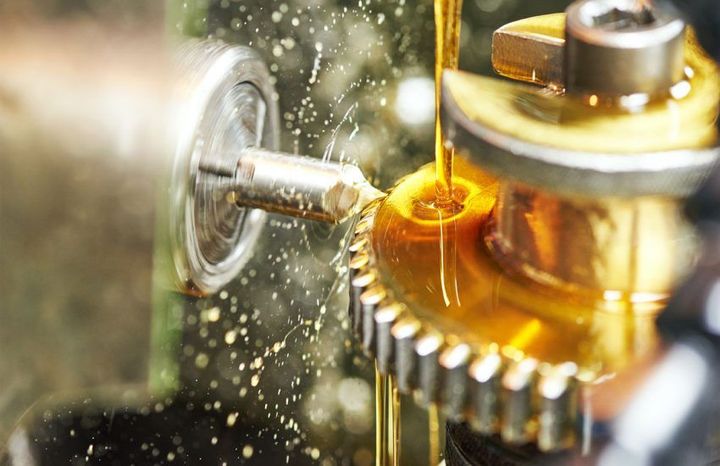
Industrial lubricants are specialized fluids or semi-solid substances designed to reduce friction, manage heat, and protect surfaces in industrial machinery and equipment. They are used across manufacturing plants, power generation units, automotive production lines, mining operations, and heavy engineering facilities.
The primary reason industrial lubricants exist is to ensure machines operate smoothly under high pressure, extreme temperatures, and continuous workloads. Without lubrication, metal surfaces in motion would experience rapid wear, overheating, and potential failure. Over time, this would lead to operational disruption, safety risks, and reduced equipment life.
Industrial lubricants are formulated differently from consumer lubricants. They often contain additives that improve oxidation resistance, corrosion protection, load-carrying capacity, and thermal stability. These properties help machines function reliably in demanding industrial environments.
Why Industrial Lubricants Matter in Modern Industry
Industrial lubricants play a critical role in today’s industrial ecosystem, especially as equipment becomes more advanced and production cycles become shorter. They directly affect productivity, energy efficiency, and workplace safety.
This topic matters because industrial operations increasingly rely on automated and high-speed machinery. Even minor friction or heat buildup can reduce efficiency or cause unplanned downtime. Lubricants help address these challenges by creating a protective layer between moving parts.
Industries affected include manufacturing, construction, transportation, energy, cement, steel, chemicals, and food processing. Maintenance teams, plant managers, engineers, and compliance officers all depend on proper lubrication practices.
Key problems industrial lubricants help solve include:
-
Excessive mechanical wear and tear
-
Overheating of moving components
-
Corrosion caused by moisture or chemicals
-
Energy losses due to friction
-
Equipment reliability issues
By addressing these issues, lubricants support consistent output, predictable maintenance cycles, and safer operations.
Common Types of Industrial Lubricants Used Today
Industrial lubricants are classified based on their formulation and application. Each type is designed for specific operating conditions.
| Lubricant Type | Typical Applications | Key Characteristics |
|---|---|---|
| Hydraulic Oils | Presses, lifts, control systems | Fluid power transfer, oxidation stability |
| Gear Oils | Gearboxes, reducers | High load resistance, wear protection |
| Compressor Oils | Air and gas compressors | Thermal stability, low volatility |
| Greases | Bearings, joints | Stays in place, water resistance |
| Metalworking Fluids | Cutting and machining | Cooling, chip removal |
Selecting the correct lubricant depends on load conditions, speed, temperature, and environmental exposure.
Recent Updates and Industry Developments (2024–2025)
Over the past year, industrial lubrication practices have evolved due to technological, environmental, and regulatory influences.
In March 2024, several global standards bodies updated guidelines for lubricant performance testing, emphasizing longer service intervals and improved oxidation resistance. These updates reflect the demand for higher equipment efficiency and reduced maintenance interruptions.
During mid-2024, there was increased adoption of condition-based monitoring tools that track lubricant health using sensors and oil analysis data. This trend supports predictive maintenance strategies rather than fixed maintenance schedules.
In October 2024, industrial sustainability discussions highlighted the importance of reducing lubricant waste and improving recycling practices. Many facilities began focusing on extended-life formulations to align with environmental compliance expectations.
By early 2025, digital maintenance management systems increasingly integrated lubrication data, enabling better documentation, traceability, and compliance reporting.
Laws, Standards, and Policy Considerations
Industrial lubricants are subject to multiple laws, regulations, and standards that vary by country and industry sector. These rules are designed to ensure safety, environmental protection, and operational transparency.
In India, industrial lubricant usage is influenced by:
-
Bureau of Indian Standards (BIS) specifications for industrial oils and greases
-
Environment Protection Act provisions related to hazardous waste handling
-
Factory safety regulations covering machinery maintenance practices
Globally, many organizations follow international standards such as ISO lubrication classifications and OSHA-aligned safety guidance. Food-grade lubricant applications are also regulated under specific safety frameworks to prevent contamination.
Compliance typically focuses on proper storage, labeling, disposal, and documentation of lubricant usage rather than commercial activity. Organizations are expected to maintain accurate records and follow recommended handling procedures.
Tools and Resources for Lubrication Management
Several tools and resources help organizations manage industrial lubrication more effectively. These tools support monitoring, planning, and compliance activities.
Useful resources include:
-
Oil analysis laboratories for condition monitoring
-
Lubrication charts and application guides from equipment manufacturers
-
Digital maintenance logs and documentation templates
-
Predictive maintenance software with lubrication modules
-
Training manuals and technical reference documents
Below is an example of how lubricant condition data may be tracked:
| Parameter | Normal Range | Action Trigger |
|---|---|---|
| Viscosity Change | ±10% | Review lubricant condition |
| Particle Count | Low | Inspect filtration system |
| Moisture Content | Minimal | Check seals and storage |
These tools help maintenance teams make informed decisions and reduce unexpected equipment issues.
Best Practices for Industrial Lubricant Usage
Effective lubrication is not only about selecting the right product but also about following structured practices.
Recommended best practices include:
-
Using manufacturer-recommended lubricant specifications
-
Maintaining clean storage and transfer equipment
-
Avoiding cross-contamination between lubricant types
-
Monitoring lubricant condition regularly
-
Training staff on proper application techniques
A structured lubrication program supports consistency and reduces human error, especially in large facilities with diverse equipment.
Frequently Asked Questions About Industrial Lubricants
What is the main function of industrial lubricants?
Industrial lubricants reduce friction, control heat, and protect machinery components from wear and corrosion during operation.
How are industrial lubricants different from automotive lubricants?
Industrial lubricants are designed for continuous operation, higher loads, and specific industrial conditions, whereas automotive lubricants focus on vehicle engines and drivetrains.
Why is lubricant monitoring important?
Monitoring helps detect contamination, degradation, or wear particles early, allowing corrective action before equipment damage occurs.
Are industrial lubricants affected by environmental regulations?
Yes. Handling, storage, and disposal are often regulated to minimize environmental impact and ensure safe workplace practices.
How often should industrial lubricants be checked?
Inspection frequency depends on equipment criticality, operating conditions, and manufacturer recommendations.
Conclusion
Industrial lubricants are a foundational element of modern industrial operations. They support machinery reliability, operational efficiency, and compliance with safety and environmental expectations. As industrial systems become more complex, lubrication practices are increasingly data-driven and standardized.
Understanding lubricant types, regulatory considerations, recent industry developments, and best practices allows organizations to maintain equipment responsibly and consistently. With proper planning and monitoring, industrial lubricants continue to play a vital role in sustainable and efficient industrial environments.