Understanding Water Heaters for Home: Basics, Efficiency, and Practical Tips
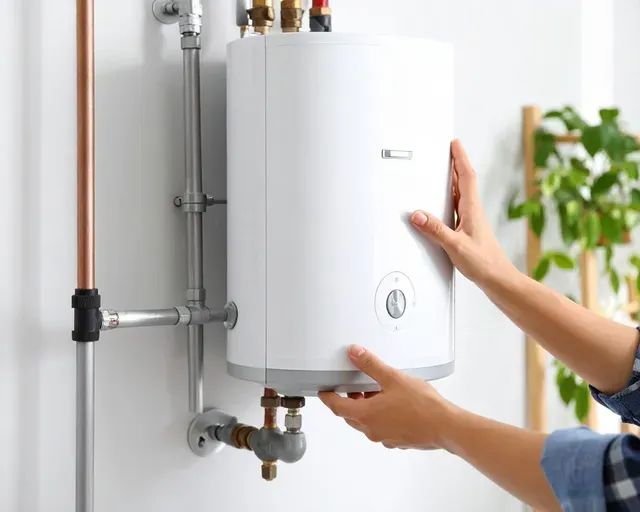
Water heaters are household systems designed to raise the temperature of water for routine domestic activities. These activities include bathing, washing, food preparation, and sanitation. Since natural water supply temperatures are often too low for comfortable or hygienic use, water heaters serve as a necessary link between raw water access and everyday living needs.
Early water heating solutions were simple and manual, relying on direct heat sources and limited storage. Over time, residential water heaters evolved into electrically powered and thermally insulated systems capable of delivering consistent hot water with improved safety and control. Modern designs focus on reliability, efficiency, and compatibility with contemporary home infrastructure.
Across regions and climates worldwide, water heaters support improved living standards by enabling controlled water temperature regardless of seasonal or geographic conditions.
Importance: Why Water Heating Matters Today
Water heating represents a significant portion of household energy use globally. As residential energy demand continues to rise, the efficiency and management of water heating systems have become increasingly relevant for households, utilities, and policymakers.
Key reasons this topic matters today include:
-
Growing emphasis on household energy efficiency
-
Increased electricity consumption in residential spaces
-
Environmental concerns linked to energy generation
-
Expansion of smart home and connected appliance ecosystems
Water heaters affect:
-
Individual households managing daily routines
-
Energy systems balancing peak and off-peak demand
-
Long-term sustainability and resource planning
Efficient water heating reduces unnecessary energy use, supports environmental goals, and improves appliance longevity. Understanding how water heaters function allows households to optimize usage without compromising comfort or safety.
Types of Residential Water Heaters Explained
Residential water heaters are available in multiple configurations to suit different usage patterns, infrastructure conditions, and climate zones.
Common household water heater types include:
-
Storage tank water heaters
-
Instant or tankless water heaters
-
Heat pump water heaters
-
Solar-assisted water heaters
Each category differs in how water is heated, stored, and delivered.
Basic comparison table
| Water Heater Type | Heating Method | Storage | Efficiency Level |
|---|---|---|---|
| Storage Tank | Electric or Thermal | Yes | Moderate |
| Instant | Electric | No | High |
| Heat Pump | Ambient Heat Transfer | Yes | Very High |
| Solar-Assisted | Solar Energy | Yes | Renewable-Based |
Understanding these distinctions helps households match water heating systems with their daily needs and energy considerations.
Efficiency Factors in Home Water Heaters
Efficiency in water heating refers to how effectively input energy is converted into usable hot water with minimal losses. Several technical and behavioral factors influence overall performance.
Primary efficiency factors include:
-
Insulation quality around the tank or heating unit
-
Type and responsiveness of heating elements
-
Accuracy of thermostat controls
-
Standby heat loss during idle periods
-
Daily usage timing and frequency
Modern water heaters increasingly incorporate energy-saving features such as improved insulation materials, digital thermostats, and adaptive heating cycles. These enhancements reduce wasted energy while maintaining temperature consistency.
Key efficiency improvement areas
-
Lower heat dissipation during standby
-
Optimized heating schedules
-
Reduced energy draw during low-demand periods
Efficient water heating supports household energy management and contributes to broader energy conservation efforts worldwide.
Recent Updates and Global Industry Trends
Over the past year, residential water heating technology has continued to evolve, with a strong focus on efficiency, digital control, and sustainability.
Notable global trends observed during 2025 include:
-
Increased adoption of heat pump water heaters due to high efficiency performance
-
Wider integration of smart controls and mobile monitoring features
-
Enhanced insulation technologies reducing standby energy loss
-
Growth in hybrid systems combining electric and solar-based heating
In mid-2025, several manufacturers introduced smart water heaters designed to align with intelligent energy management systems. These models can adjust heating cycles based on household usage patterns and grid demand conditions.
Energy performance labeling standards were also updated globally in 2025, improving clarity around efficiency metrics and appliance comparisons.
Laws, Regulations, and Policy Influence Worldwide
Residential water heaters are subject to safety, energy efficiency, and environmental regulations across many regions. While specific requirements vary by country, common regulatory themes exist worldwide.
General regulatory influences include:
-
Electrical safety standards for household appliances
-
Energy efficiency labeling and performance ratings
-
Environmental guidelines related to energy consumption
-
Product testing and certification requirements
Many governments and international organizations promote higher efficiency standards to reduce overall residential energy demand. These policies encourage the adoption of advanced insulation, precise temperature control, and reduced standby energy usage.
Compliance with safety and efficiency regulations helps ensure reliable operation, minimizes risk, and supports global energy sustainability objectives.
Tools and Resources for Better Understanding
Various educational and digital resources help households understand water heater performance, efficiency, and usage behavior.
Helpful tools and resources include:
-
Household energy efficiency calculators
-
Appliance performance comparison platforms
-
Energy labeling reference guides
-
Home energy assessment tools
-
Digital dashboards for connected water heaters
Illustrative capacity guidance table
| Household Size | Typical Usage Pattern | Capacity Range |
|---|---|---|
| 1–2 People | Light | Small |
| 3–4 People | Moderate | Medium |
| 5+ People | High | Large |
These tools support informed decision-making by helping users understand how daily habits influence energy consumption.
Practical Tips for Safe and Efficient Use
Efficient water heater usage depends on both system design and everyday behavior. Simple operational practices can improve performance without technical intervention.
General best practices include:
-
Keeping temperature settings within moderate ranges
-
Avoiding unnecessary reheating cycles
-
Ensuring proper electrical grounding
-
Checking visible wiring and insulation periodically
-
Turning off heating during extended periods of inactivity
Consistent and mindful usage improves system reliability and reduces energy strain over time.
Frequently Asked Questions
How do water heaters regulate temperature?
Most systems use thermostats that activate heating elements when water temperature drops below a predefined setting.
Are tankless water heaters suitable for all homes?
Tankless systems perform best where electrical capacity supports short-duration high power demand.
What factors influence water heater durability?
Usage frequency, water quality, insulation quality, and temperature control settings all affect operational lifespan.
Do modern water heaters use less energy?
Newer designs generally include improved insulation and smarter control systems that enhance efficiency.
Is routine inspection necessary?
Occasional visual and electrical checks help maintain safe and consistent operation.
Conclusion
Water heaters are essential household systems that support comfort, hygiene, and daily living worldwide. Understanding their operation, efficiency characteristics, and regulatory environment allows households to use them responsibly and effectively.
Recent advancements emphasize energy efficiency, smart integration, and sustainability alignment. With informed usage and awareness, water heaters can meet daily needs while contributing to global energy conservation goals.