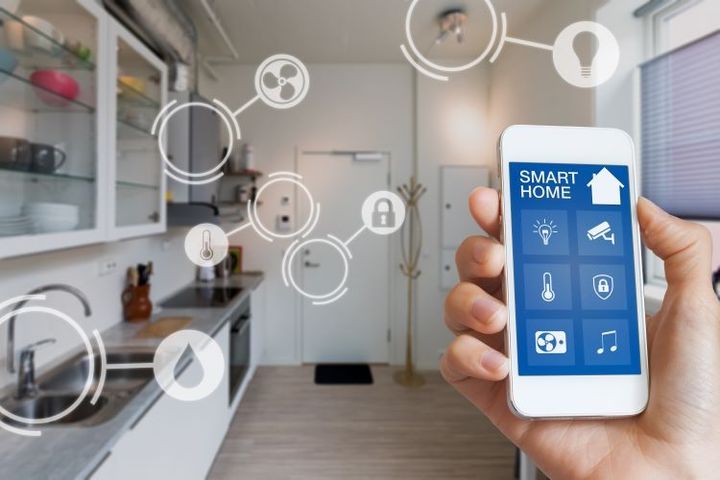
The concept emerged from advancements in broadband internet, cloud computing, and wireless communication standards such as Wi-Fi, Zigbee, Z-Wave, and Bluetooth. Today, home automation systems can be managed through mobile applications, voice assistants, and secure web dashboards.
Common examples include smart thermostats, connected lighting systems, automated door locks, surveillance cameras, and energy monitoring tools. These systems rely on sensors, software, and secure networks to respond to user preferences or environmental changes.
Home automation exists to improve convenience, enhance home security monitoring, optimize energy efficiency, and enable remote property management.
Why Home Automation Matters Today
The relevance of home automation has grown significantly in recent years due to several global trends:
• Increased remote work and flexible living arrangements
• Growing interest in residential energy management systems
• Rising awareness about digital security and privacy
• Expansion of IoT-enabled infrastructure
Homeowners, renters, property managers, and real estate developers are all influenced by smart home innovations. For individuals, automation can streamline daily routines such as adjusting lighting or monitoring entry points. For property managers, connected systems help track maintenance alerts and environmental conditions.
Below is a simplified comparison of traditional homes and automated homes:
| Feature | Traditional Setup | Automated Setup |
|---|
| Lighting Control | Manual switches | App or voice-controlled |
| Climate Regulation | Manual thermostat | Smart thermostat with scheduling |
| Security Monitoring | Basic alarm | Real-time surveillance alerts |
| Energy Tracking | Utility bill only | Detailed consumption analytics |
The primary problems automation addresses include:
• Energy waste from unmanaged heating or cooling
• Delayed response to security incidents
• Lack of centralized device management
• Limited accessibility for elderly or disabled residents
In many cases, smart home systems contribute to data-driven decision-making. Energy dashboards can reveal peak consumption hours, while security analytics help identify unusual activity patterns.
Recent Updates and Trends in Smart Home Technology
The home automation sector continues to evolve rapidly. Over the past year, several noteworthy developments have shaped the industry.
In 2025, broader adoption of the Matter protocol improved compatibility among devices manufactured by different companies. This standard supports unified communication across platforms such as Google, Amazon, and Apple ecosystems. As a result, device integration has become more streamlined.
Artificial intelligence integration has also advanced. Smart home security systems increasingly use AI-driven analytics for motion detection, facial recognition alerts, and anomaly tracking. These capabilities aim to reduce false alarms and enhance response accuracy.
Energy management has become a major focus area in 2025. With higher global attention on sustainability, many households are integrating smart meters, connected solar monitoring tools, and automated demand-response systems.
Another recent trend is edge computing in residential automation. Instead of sending all data to cloud servers, certain devices now process information locally. This reduces latency and improves privacy safeguards.
A simplified trend overview is shown below:
| Trend | Impact on Users |
|---|
| Matter Standard Adoption | Improved cross-device compatibility |
| AI-Based Automation | Smarter alerts and personalization |
| Energy Optimization Tools | Better efficiency insights |
| Edge Computing | Faster response and stronger privacy |
These updates reflect a broader shift toward integrated smart home ecosystems rather than isolated devices.
Laws, Policies, and Regulatory Considerations
Home automation systems are influenced by digital privacy laws, cybersecurity regulations, and energy efficiency standards.
In many regions, data protection frameworks require companies to safeguard personal information collected by smart devices. Regulations similar to the General Data Protection Regulation (GDPR) in Europe emphasize transparency in data usage, consent management, and secure storage practices.
Cybersecurity guidelines increasingly encourage manufacturers to implement:
• Encrypted communication protocols
• Secure firmware updates
• Multi-factor authentication
• Clear vulnerability disclosure processes
Energy policies also play a role. Government energy efficiency programs may promote smart thermostats, automated lighting controls, and energy monitoring systems as part of broader sustainability strategies.
Building codes in certain jurisdictions now include provisions related to smart infrastructure wiring and network safety. While policies vary by country, the general regulatory focus includes consumer data protection, cybersecurity standards, and environmental compliance.
Before implementing advanced systems, individuals should review local guidelines concerning:
• Data privacy compliance
• Electrical installation requirements
• Network security best practices
Understanding these policies helps ensure responsible and lawful use of smart home technology.
Tools and Resources for Beginners
For individuals exploring home automation, a range of platforms and digital tools can support planning and system management.
These platforms allow centralized control of lighting systems, security devices, and connected appliances.
Energy Monitoring Applications
• Utility provider dashboards
• Smart meter analytics portals
• Renewable energy monitoring interfaces
Network Security Resources
• Router management interfaces
• Two-factor authentication tools
• Firmware update tracking systems
Planning and Documentation Templates
• Device inventory spreadsheets
• Network layout diagrams
• Privacy policy review checklists
The following simple device integration example illustrates how systems connect:
| Device Type | Connectivity | Control Method |
|---|
| Smart Thermostat | Wi-Fi | Mobile App |
| Security Camera | Cloud + Local Storage | Dashboard |
| Smart Lighting | Zigbee/Wi-Fi | Voice or App |
| Smart Lock | Bluetooth/Wi-Fi | Secure App |
Graph: Example of Device Interaction Flow
User Command → Mobile App → Home Hub → Device Response → Status Notification
This flow demonstrates how centralized control improves coordination among devices.
Frequently Asked Questions
What is the difference between smart home devices and full home automation systems?
Smart home devices operate independently or through apps, while full home automation systems integrate multiple devices into coordinated workflows using automation rules and centralized hubs.
Is home automation secure?
Security depends on proper configuration. Strong passwords, encrypted networks, firmware updates, and multi-factor authentication improve protection against cyber threats.
Does automation require professional installation?
Some systems use plug-and-play designs, while others require structured wiring and advanced configuration. The level of complexity varies by device type and integration goals.
How does automation improve energy efficiency?
Smart thermostats, occupancy sensors, and lighting schedules reduce unnecessary power consumption. Energy monitoring dashboards provide real-time analytics to support informed adjustments.
Can devices from different brands work together?
Compatibility depends on communication protocols. The Matter standard, adopted widely in 2025, has improved cross-platform interoperability among leading manufacturers.
Conclusion
Home automation represents the integration of digital technology into residential environments to enhance efficiency, security, and convenience. Through IoT platforms, AI-powered analytics, and centralized management systems, households can monitor and control connected devices in structured ways.
Recent developments such as Matter protocol adoption, edge computing integration, and advanced cybersecurity standards continue to shape the landscape. At the same time, regulatory frameworks emphasize data protection and secure infrastructure.
For beginners, understanding device compatibility, network security, and privacy considerations is essential. By starting with foundational tools such as smart hubs, energy dashboards, and secure authentication practices, individuals can build structured and scalable smart home ecosystems.
Home automation is not simply about connected devices; it reflects the broader transformation of residential spaces into data-informed, digitally managed environments that prioritize efficiency, accessibility, and technological integration.