Car Dent and Scratch Repair Guide: Methods, Costs, and Helpful Resources
Car dent and scratch repair refers to the techniques used to restore vehicle body panels after minor or moderate surface damage. This damage commonly results from parking incidents, road debris, weather exposure, or low-speed contact. Over time, even small marks can affect the outer structure and protective layers of a vehicle.
The practice exists to maintain vehicle condition, preserve structural integrity, and reduce long-term deterioration. Modern vehicles use layered paint systems and lightweight materials, which require specific handling methods to avoid further surface impact.
Dent and scratch repair covers a wide range of approaches, from reshaping metal panels to correcting paint layer imperfections. The choice of method depends on factors such as depth, panel material, and paint condition.
Why Dent and Scratch Repair Matters Today
Vehicle ownership has increased globally, leading to higher traffic density and limited parking space. These conditions increase the likelihood of surface damage, even for careful drivers.
This topic matters because surface damage can expose metal panels to corrosion, reduce resale value, and weaken protective coatings. For newer vehicles, unaddressed scratches may interfere with advanced paint finishes designed for durability and heat resistance.
People affected include private vehicle owners, fleet operators, and insurance policyholders. Timely attention to surface damage helps maintain safety standards and supports long-term vehicle preservation.
Common problems addressed include:
-
Paint layer erosion
-
Metal panel deformation
-
Rust formation due to exposure
-
Reduced visual consistency
Methods Commonly Used for Dent and Scratch Repair
Different repair methods exist based on damage type and vehicle design. Understanding these methods helps vehicle owners make informed decisions.
Dent Correction Techniques
-
Paintless dent repair for shallow dents with intact paint
-
Panel reshaping using controlled pressure tools
-
Heat-based reshaping for flexible materials
Scratch Correction Techniques
-
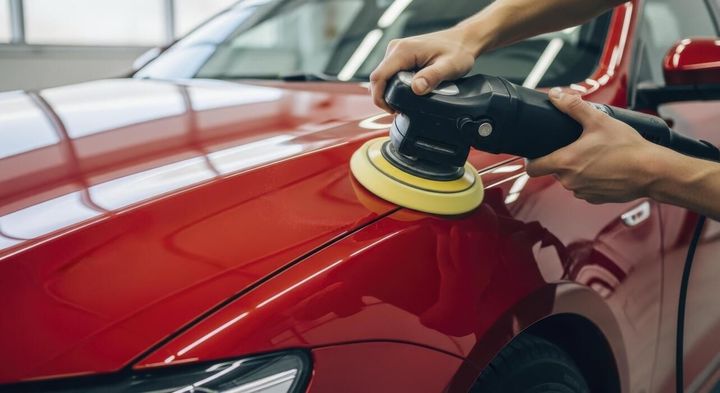
Surface polishing for light paint marks
-
Clear-coat correction for moderate scratches
-
Panel repainting for deep paint penetration
| Damage Type | Typical Depth | Common Technique | Paint Impact |
|---|---|---|---|
| Minor dent | Shallow | Panel reshaping | None |
| Light scratch | Surface | Polishing | Minimal |
| Deep scratch | Through paint | Panel repainting | High |
| Creased dent | Structural | Panel repair | Variable |
Recent Developments and Industry Trends
Over the past year, several trends have influenced dent and scratch repair practices. In mid-2025, automotive manufacturers expanded the use of aluminum and composite panels, requiring specialized tools and training.
Water-based automotive paints gained wider adoption in India following updated environmental guidance in late 2024. These paints reduce emissions but require precise application and curing methods.
Digital inspection tools using AI-based image analysis also became more common in 2025. These systems assist in identifying damage depth and repair feasibility without dismantling panels.
Another trend is the growing preference for localized repair methods that limit panel removal, helping preserve factory finishes where possible.
Tools and Resources for Better Understanding
Several tools and platforms help vehicle owners understand dent and scratch repair processes without technical expertise.
Digital Tools and Apps
-
Vehicle damage assessment apps with image scanning
-
Insurance claim tracking platforms
-
Automotive maintenance record applications
Reference Resources
-
Automotive Research Association of India (ARAI) publications
-
Ministry of Road Transport and Highways guidelines
-
Manufacturer maintenance manuals
| Resource Type | Purpose | Example Use |
|---|---|---|
| Mobile app | Damage assessment | Scratch depth analysis |
| Government portal | Legal reference | Vehicle compliance |
| Manufacturer guide | Technical data | Paint specifications |
These resources support informed decision-making and compliance awareness.
Frequently Asked Questions
Can small scratches lead to rust over time?
Yes. When the protective paint layer is compromised, moisture can reach metal surfaces, increasing corrosion risk.
Is paintless dent repair suitable for all dents?
No. It works best when paint remains intact and the metal is not sharply creased.
Do modern car paints differ from older models?
Yes. Newer paints often use water-based formulations and multi-layer coatings designed for durability and environmental safety.
How long does a typical repair process take?
Time varies based on damage severity, panel type, and paint curing requirements.
Are insurance policies affected by repeated surface damage?
Frequent claims may influence policy terms, depending on provider guidelines and claim history.
Comparative Overview of Repair Approaches
Below is a simplified comparison of commonly used approaches based on impact and complexity.
| Approach | Damage Level | Material Suitability | Visual Outcome |
|---|---|---|---|
| Polishing | Light | All paint types | Improved |
| Panel reshaping | Moderate | Steel, aluminum | Restored |
| Repainting | Deep | All panels | Uniform |
This overview highlights how repair choice aligns with damage characteristics.
Key Takeaways and Practical Understanding
Car dent and scratch repair plays an important role in vehicle upkeep, safety compliance, and long-term durability. With evolving vehicle materials and stricter environmental rules, repair methods continue to adapt.
Understanding available techniques, legal considerations, and reliable resources helps vehicle owners make informed choices. Awareness of recent trends also supports better communication with repair professionals and insurance providers.
Maintaining surface integrity is not only about appearance but also about protecting structural components and ensuring regulatory compliance over time.