Commercial Property Insurance: Explore Coverage Types, Risks and Policy Benefits
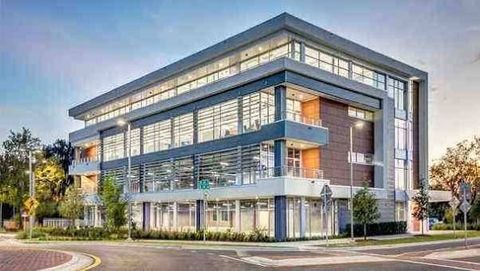
Commercial property is one of the most important assets for many businesses. Offices, warehouses, factories, retail locations, restaurants, and commercial buildings contain valuable structures, equipment, inventory, furniture, and technology that support daily operations.
Unexpected events such as fires, storms, vandalism, water damage, and other covered incidents can cause substantial financial losses. A damaged building may interrupt operations, delay deliveries, affect employees, and create additional expenses while repairs are underway.
Commercial property insurance helps businesses manage certain financial consequences of physical damage or loss involving insured property. Depending on the policy, protection may extend to buildings, business contents, machinery, inventory, and other specified assets. Additional coverage may address business income losses and expenses arising from a covered interruption.
However, not every event or asset is automatically protected. Flooding, earthquakes, equipment breakdown, cyber incidents, and certain other risks may require separate policies or specific endorsements.
Understanding coverage types, insured values, deductibles, exclusions, and claim requirements can help business owners and property managers make more informed insurance decisions.
What Is Commercial Property Insurance?
Commercial property insurance is a type of business insurance designed to protect eligible physical assets against specified causes of loss.
A policy may cover property owned by the business or, where the contract permits, property for which the business has an insurable interest.
Common insured property includes:
Commercial buildings and permanent structures.
Office furniture and fixtures.
Manufacturing machinery and production equipment.
Computers, servers, and electronic equipment.
Inventory, raw materials, and finished goods.
Certain outdoor fixtures and signs.
Business contents and designated improvements.
Property belonging to others when specifically covered.
Coverage is generally arranged through a standalone commercial property policy or a broader commercial package policy. Smaller businesses may also use a Business Owners Policy (BOP), which commonly combines property and selected liability protections.
The policy declarations, coverage forms, causes-of-loss provisions, conditions, and endorsements determine what is actually insured. <Cite refs={["turn823195view3","turn823195view4"]}/>
Why Commercial Property Insurance Matters
Commercial property insurance can help businesses manage financial exposure arising from unexpected physical damage.
1. Protecting Physical Business Assets
Buildings, equipment, inventory, and office contents may represent substantial investments. Repairing or replacing damaged assets can place pressure on business finances.
Appropriate property coverage can help address qualifying losses, subject to policy limits and conditions.
2. Supporting Business Continuity
A major property loss may prevent a business from operating normally.
Business income and extra expense coverage may help address certain financial consequences while the insured location is being repaired or restored.
3. Managing Financial Uncertainty
Unexpected property damage can create repair expenses, replacement requirements, temporary relocation needs, and other financial obligations.
Insurance can transfer some specified financial risks to an insurer, helping businesses plan for certain unexpected events.
4. Meeting Contractual Requirements
Commercial landlords, mortgage lenders, property managers, and financing institutions may require businesses or property owners to maintain particular insurance protections.
The required limits and policy conditions depend on the lease, loan agreement, financing documents, and applicable law.
5. Protecting Inventory and Equipment
Retailers, manufacturers, wholesalers, and logistics businesses may hold significant inventory and specialized equipment.
A property insurance program can help address covered physical losses involving these assets, provided the items are properly declared and fall within the policy's coverage.
Main Types of Commercial Property Insurance Coverage
Commercial property insurance can be structured around different asset categories and business risks.
Commercial Building Coverage
Building coverage generally protects the insured structure and eligible permanent fixtures.
Depending on the policy, covered property may include:
Exterior walls and roofing.
Floors and permanent structures.
Built-in electrical systems.
Plumbing and heating systems.
Permanently installed machinery.
Certain additions and improvements.
Property owners should confirm whether outdoor structures, fences, signs, parking facilities, and detached buildings require separate limits or endorsements.
Business Personal Property Coverage
Business personal property coverage protects eligible movable assets used in business operations.
Examples include:
Desks and office furniture.
Computers and electronic devices.
Machinery and tools.
Inventory and supplies.
Certain business records.
Furniture, fixtures, and equipment.
Tenants may need coverage for their own contents and improvements even when the building owner insures the structure.
Business Interruption Insurance
Business interruption insurance, also called business income insurance, can help replace certain income lost when a covered property event interrupts normal operations.
Depending on the policy, eligible expenses may include continuing operating expenses, payroll, rent, and other specified financial obligations.
Coverage generally depends on the interruption being caused by qualifying physical damage or another covered event. It does not automatically protect against every reason a business may experience reduced revenue. <Cite refs={["turn823195view2","turn588918view3"]}/>
Extra Expense Coverage
Extra expense coverage may help with additional expenditure required to keep operations running or restore business activity after a covered loss.
Examples may include:
Temporary office arrangements.
Rental equipment.
Additional transportation arrangements.
Temporary storage.
Certain relocation expenses.
Other qualifying operational expenses.
The applicable limit and covered expenses should be checked in the policy wording.
Equipment Breakdown Coverage
Standard commercial property policies may not cover every internal mechanical or electrical failure.
Equipment breakdown coverage can address specified sudden and accidental breakdowns involving eligible equipment.
Potentially covered equipment may include:
Boilers.
Electrical systems.
Air conditioning units.
Refrigeration equipment.
Compressors.
Production machinery.
Certain electronic systems.
Businesses that depend on specialized machinery should examine this exposure carefully.
Flood and Earthquake Coverage
Flood and earthquake damage are frequently excluded or restricted under standard commercial property forms.
Businesses may need separate flood or earthquake insurance, depending on their location and exposure.
Flood protection may be available through private insurers or the National Flood Insurance Program (NFIP), subject to eligibility, limits, and policy conditions. <Cite refs={["turn588918view2","turn823195view5"]}/>
Inland Marine Coverage
Inland marine insurance can protect certain business property that moves between locations or is not adequately covered by a standard commercial property policy.
Examples include:
Contractor equipment.
Property in transit.
Computers and portable equipment.
Valuable papers.
Certain customer property.
Specialized tools and machinery.
Despite its name, inland marine coverage generally concerns property transported over land or held at specified locations.
Basic, Broad, and Special Form Coverage
Commercial property policies may use different causes-of-loss forms to define covered events.
| Coverage form | General approach | Illustrative covered events |
|---|---|---|
| Basic form | Covers specifically listed causes of loss | Fire, lightning, windstorm, vandalism, and other listed events |
| Broad form | Includes basic coverage and additional listed causes | Certain falling objects, water damage, and structural collapse |
| Special form | Covers direct physical loss unless excluded or limited | Broad protection subject to policy exclusions and conditions |
A special form policy is sometimes described as open-perils or all-risk coverage. This does not mean every possible loss is insured. Exclusions, limitations, conditions, and endorsements remain important.
The Texas Department of Insurance provides a useful explanation of these coverage forms and their differences. <Cite refs={["turn588918view2"]}/>
Replacement Cost vs. Actual Cash Value
One of the most important commercial property policy decisions concerns how damaged property is valued when a claim occurs.
| Valuation method | General meaning | Financial consideration |
|---|---|---|
| Replacement Cost Value (RCV) | Pays eligible repair or replacement expenses using comparable new property, subject to policy conditions | May provide greater rebuilding support but often has specific requirements |
| Actual Cash Value (ACV) | Generally reflects replacement value less depreciation | Claim payment may be lower because of age and wear |
| Agreed Value | Uses an agreed insured value under the applicable policy arrangement | May help address certain valuation disagreements, subject to contract terms |
Consider a hypothetical business building with an estimated replacement value of $1 million. If the building is insured on an actual cash value basis, depreciation may reduce the claim payment compared with an eligible replacement cost settlement.
Replacement cost is not the same as the property's market value. Land value, location, and real estate market conditions do not necessarily determine the amount required to rebuild the structure.
Businesses should review valuation assumptions, construction estimates, equipment schedules, and inventory records regularly. <Cite refs={["turn797913search7","turn962487search0","turn588918view2"]}/>
Common Risks Covered by Commercial Property Insurance
The exact risks covered depend on the selected policy form and endorsements.
Fire and Smoke Damage
Fire can damage buildings, equipment, inventory, and electrical systems. Smoke and firefighting activities may also create additional physical damage.
Windstorms and Hail
Severe weather can damage roofs, exterior walls, windows, signs, and outdoor equipment. Certain locations may have separate windstorm or hail deductibles and restrictions.
Theft and Vandalism
Some policies cover specified physical losses arising from theft, vandalism, and related incidents. Businesses should examine security requirements and any limitations involving unattended property.
Water Damage
Certain sudden and accidental water damage events may be covered. Flooding, gradual leakage, maintenance problems, and water seepage may be excluded or treated differently.
Explosions and Certain Structural Damage
Depending on the coverage form, policies may protect against specified explosions, structural collapse, and other physical damage events.
Natural Catastrophes
Coverage for hurricanes, floods, earthquakes, and other natural hazards depends on policy wording, geographic exposure, and applicable endorsements.
Important Policy Exclusions and Coverage Gaps
Understanding exclusions is essential because a business may assume that a policy covers a risk that is actually restricted.
Common exclusions or limitations may involve:
Flooding and surface water.
Earthquake and earth movement.
Normal wear and tear.
Gradual deterioration.
Insects, pests, and vermin.
Mechanical breakdown unless separately covered.
Certain pollution-related losses.
War and nuclear hazards.
Certain cyber-related losses.
Intentional acts.
Losses arising from specified maintenance failures.
Other restrictions may apply to property in transit, property held for others, outdoor fixtures, vacant buildings, or newly acquired locations.
Business income coverage may also contain waiting periods, restoration periods, and conditions requiring covered physical damage.
Businesses should not rely solely on a policy summary. The actual coverage forms, exclusions, declarations, and endorsements determine the contractual protection.
Commercial Property Insurance Limits, Deductibles, and Coinsurance
A commercial property policy generally contains financial limits and conditions that influence the amount payable following a covered loss.
Coverage Limits
The policy limit is the maximum amount available under the relevant coverage, subject to applicable conditions and sublimits.
Businesses should evaluate whether the limit is sufficient to address rebuilding, equipment replacement, inventory, and other insured exposures.
Deductibles
A deductible is the amount the policyholder generally retains before insurance payments apply.
Some policies have separate deductibles for wind, hail, named storms, or other specified hazards.
Coinsurance
A coinsurance clause may require a business to insure property for a specified percentage of its value.
For example, assume a building has a covered value of $1 million and the policy requires 80% coinsurance. The required insurance amount would be $800,000.
If the business insures the building for only $600,000, a coinsurance penalty may reduce the amount payable for a partial loss, subject to the policy formula and conditions.
The Florida Department of Financial Services explains how an 80% coinsurance requirement can affect claim payments. <Cite refs={["turn588918view3"]}/>
Sublimits
A sublimit establishes a lower maximum payment for a particular property category, event, or additional coverage.
Examples may include limits for outdoor signs, valuable papers, debris removal, or certain water damage exposures.
Businesses should compare sublimits with their actual exposure rather than assuming the main policy limit applies to every category.
Factors That Affect Commercial Property Insurance Underwriting
Insurers evaluate several characteristics when assessing commercial property risks.
| Underwriting factor | What insurers may examine |
|---|---|
| Property location | Flood zones, wildfire exposure, storm frequency, nearby fire protection |
| Building construction | Materials, roof type, age, structural condition |
| Occupancy | Retail, office, manufacturing, hospitality, storage, or other activities |
| Protection systems | Sprinklers, alarms, fire suppression, security controls |
| Loss history | Previous claims, severity, frequency, and corrective measures |
| Property valuation | Replacement estimates, equipment schedules, inventory values |
| Business operations | Hazardous processes, storage practices, production activities |
| Risk management | Inspection records, maintenance, emergency procedures |
Businesses with detailed property information and documented loss prevention measures may be better positioned to explain their risk profile during underwriting.
How to Evaluate Commercial Property Insurance
Selecting a suitable policy requires a review of the assets, exposures, financial requirements, and contractual obligations of the business.
Prepare a property inventory: List buildings, machinery, furniture, equipment, stock, and other relevant assets.
Estimate replacement values: Obtain realistic rebuilding and replacement estimates rather than relying only on historical purchase values.
Review geographic exposure: Assess flood, wildfire, windstorm, hail, earthquake, and other location-related risks.
Identify operational dependencies: Determine how damage to a building, equipment, or inventory could affect revenue.
Compare coverage forms: Examine basic, broad, and special form provisions.
Review valuation methods: Understand replacement cost, actual cash value, and any agreed value arrangements.
Check business interruption protection: Evaluate income limits, waiting periods, and restoration periods.
Identify coverage gaps: Review flood, earthquake, equipment breakdown, inland marine, and other specialized exposures.
Examine deductibles and sublimits: Confirm that the business can manage the retained financial exposure.
Review contractual obligations: Check lender, landlord, lease, and financing insurance requirements.
Evaluate insurer and policy conditions: Review financial strength information, claims procedures, exclusions, and renewal provisions.
Reassess regularly: Update values and coverage after renovations, acquisitions, equipment changes, or significant business expansion.
Commercial Property Insurance Claims Process
A well-organized claims process can help businesses document damage and communicate relevant information to the insurer.
Step 1: Protect People and Address Immediate Safety Risks
Prioritize employee and visitor safety. Follow emergency procedures and contact appropriate authorities when necessary.
Step 2: Notify the Insurer
Report the incident according to the policy's notification requirements. Record the date, time, circumstances, and relevant contact details.
Step 3: Document the Damage
Where safe, take photographs and videos of affected buildings, equipment, inventory, and other insured property.
Maintain records of damaged items and their approximate age, condition, and value.
Step 4: Prevent Further Damage
Take reasonable measures to protect undamaged property and prevent additional loss, consistent with policy conditions and safety requirements.
Keep records of emergency repairs and related expenditure.
Step 5: Prepare Supporting Documentation
Relevant documents may include:
Policy declarations and endorsements.
Property inventories.
Purchase invoices.
Building and equipment valuations.
Repair estimates.
Financial statements.
Inventory records.
Maintenance and inspection reports.
Business income records.
Evidence of temporary operating expenses.
Step 6: Work With the Claims Adjuster
The insurer may appoint an adjuster to inspect the property, evaluate the damage, and review supporting documentation.
Businesses should provide accurate information and maintain records of relevant discussions and submitted documents.
Step 7: Review the Claim Determination
Examine the insurer's explanation of covered damage, valuation, depreciation, deductibles, and any exclusions or sublimits applied.
If there is a disagreement, review the policy's appraisal, dispute resolution, and complaint procedures and seek qualified professional guidance where appropriate.
Recent Commercial Property Insurance Market Developments in 2026
Commercial property insurance market conditions have changed during 2026, with increased competition affecting many buyers. However, market conditions remain different across locations, construction types, occupancy categories, and catastrophe exposures.
January–March 2026 — US property insurance rate reductions: Marsh reported that US commercial property insurance rates declined by an average of 10% during the first quarter of 2026. Its analysis attributed the change partly to increased insurer capacity and competition. Businesses with unfavorable claims histories or limited loss mitigation may not experience comparable reductions. <Cite refs={["turn797913search0"]}/>
July–September 2026 — Market conditions remain competitive: Industry market reporting continued to identify increased insurer capacity and more competitive property terms for many well-performing risks. However, wildfire exposure, older construction, and catastrophe-prone locations remained subject to underwriting scrutiny. <Cite refs={["turn797913search10","turn797913search12"]}/>
October 1, 2026 — WTW Fall Insurance Marketplace Realities: WTW reported that large and complex commercial property program rates fell by an average of 14.5% in the second quarter of 2026. Shared and layered property placements involving five or more insurers experienced average reductions of 23.41%. These figures relate to the report's specified North American commercial property segments and should not be treated as universal renewal outcomes. <Cite refs={["turn588918view0"]}/>
June 25, 2026 — NAIC business interruption guidance: The National Association of Insurance Commissioners updated its business interruption and Business Owners Policy information. The guidance explains how business income protection generally relates to covered physical property damage and why policyholders should review the conditions and exclusions of their coverage. <Cite refs={["turn823195view2"]}/>
These developments suggest that some businesses may have opportunities to review policy limits, deductibles, endorsements, and renewal terms. A more competitive insurance market does not remove the need for accurate valuations and appropriate protection.
US Laws and Regulatory Considerations
Commercial property insurance in the United States is primarily regulated at the state level, although federal programs and laws may affect particular coverage arrangements.
State Insurance Regulation
State insurance departments generally oversee insurer licensing, policy forms, market conduct, solvency-related matters, and consumer complaint procedures within their jurisdictions.
Businesses should review the requirements and protections applicable in the state where the insured property is located.
National Flood Insurance Program
The NFIP is a federal flood insurance program administered by FEMA.
Eligible commercial buildings and business contents may qualify for flood protection under the program, subject to statutory limits, policy conditions, exclusions, and eligibility rules.
The NFIP is not a substitute for every form of commercial property coverage. Businesses should review building and contents limits and determine whether additional private flood coverage may be needed. <Cite refs={["turn823195view5","turn962487search36"]}/>
Building Codes and Ordinance or Law Coverage
State and local building codes may require additional work when a damaged building is repaired or reconstructed.
Ordinance or law coverage may address certain additional expenses associated with demolition, reconstruction of undamaged portions, and compliance with applicable building requirements.
The available protection depends on the endorsement and policy limits. <Cite refs={["turn797913search5","turn588918view3"]}/>
Business Income and Commercial Package Policies
Business income coverage may be included in a BOP or commercial package policy, or arranged separately.
The NAIC explains that business interruption protection generally addresses qualifying income losses and certain continuing expenses when covered property damage interrupts business operations. <Cite refs={["turn823195view2"]}/>
Tax Treatment of Business Property Losses
The IRS provides guidance on casualty losses, insurance reimbursements, and tax reporting for business property.
Publication 547 explains how qualifying business property losses and insurance reimbursements may affect the calculation of a casualty loss. Businesses should coordinate insurance claim records with their accounting and tax documentation. <Cite refs={["turn962487search3","turn962487search4"]}/>
Commercial Property Insurance Risk Management Checklist
Businesses can use this checklist to review their property protection arrangements:
Maintain an updated inventory of buildings, equipment, and contents.
Review rebuilding and replacement valuations.
Identify flood, wildfire, storm, and earthquake exposure.
Check fire alarms, sprinklers, and security systems.
Review building maintenance and inspection records.
Confirm appropriate property limits and sublimits.
Evaluate replacement cost and actual cash value provisions.
Examine coinsurance requirements and deductibles.
Review business income and extra expense protection.
Identify equipment breakdown and inland marine exposures.
Examine policy exclusions and endorsements.
Maintain photographs, invoices, and financial records.
Establish emergency response and recovery procedures.
Review lender and landlord insurance requirements.
Reassess coverage after significant property or operational changes.
Tools and Resources
The following resources can help businesses understand commercial property insurance and related requirements:
National Association of Insurance Commissioners (NAIC): Information on business interruption coverage, Business Owners Policies, and insurance terminology.
Federal Emergency Management Agency (FEMA): NFIP information, flood risk resources, and flood insurance guidance.
FloodSmart: Information about flood exposure and available NFIP coverage arrangements.
Texas Department of Insurance: Commercial property insurance guidance covering policy forms, valuation methods, and additional coverage options.
Florida Department of Financial Services: Commercial property policy structures, business income protection, coinsurance, and underwriting considerations.
Internal Revenue Service: Guidance on casualty losses, business property records, and insurance reimbursements.
Licensed commercial insurance professionals: Assistance with policy comparisons, property valuations, coverage reviews, and claims documentation.
Frequently Asked Questions
1. What does commercial property insurance typically cover?
Commercial property insurance generally protects eligible business buildings and contents against specified physical damage or loss. Depending on the policy, covered property may include machinery, equipment, inventory, furniture, and permanent fixtures. Coverage depends on the selected causes-of-loss form and applicable exclusions.
2. Does commercial property insurance cover business interruption?
Business interruption or business income coverage may be included in a BOP or added through a commercial property arrangement. It generally addresses certain income losses and continuing expenses when covered physical damage interrupts business operations. The policy determines the qualifying events, waiting periods, limits, and restoration period.
3. Is flood damage included in standard commercial property insurance?
Flood damage is frequently excluded from standard commercial property policies. Businesses may need separate NFIP or private flood coverage, depending on eligibility, location, and financial exposure.
4. What is the difference between replacement cost and actual cash value?
Replacement cost generally addresses eligible repair or replacement expenses without a deduction for depreciation, subject to policy conditions. Actual cash value generally deducts depreciation from replacement value. The valuation method can significantly affect the amount payable following a covered loss.
5. How much commercial property insurance should a business maintain?
The appropriate amount depends on rebuilding estimates, equipment replacement values, inventory, business contents, business income exposure, and applicable contractual requirements. Businesses should regularly review valuations and consider coinsurance provisions, sublimits, deductibles, and catastrophe exposure.
Conclusion
Commercial property insurance helps businesses manage financial exposure arising from damage to buildings, equipment, inventory, and other insured physical assets. Depending on the policy, additional protections may address business interruption, extra expenses, equipment breakdown, and specialized property exposures.
Choosing an appropriate arrangement requires a clear understanding of the assets being insured, the causes of loss covered, valuation methods, exclusions, limits, deductibles, and claims procedures.
Businesses should also consider location-specific hazards, building maintenance, replacement values, and continuity requirements. Regular policy reviews and accurate property records can help reduce coverage gaps and support more organized claims handling when a covered loss occurs.