Dental Care Options: Discover Treatment Types, Procedures and Oral Health Tips
Dental care plays an important role in maintaining healthy teeth, gums, and overall well-being. From routine examinations and professional cleanings to restorative procedures and orthodontic treatment, modern dentistry offers several approaches for preventing oral health problems and addressing existing conditions.
The right approach depends on a person's age, dental history, symptoms, oral hygiene habits, general health, and clinical needs. Some people primarily need preventive care, while others may require treatment for tooth decay, gum disease, damaged teeth, missing teeth, or alignment problems.
Understanding the available dental care options can help individuals recognize early warning signs, prepare for dental appointments, and discuss suitable treatment plans with qualified dental professionals.
This guide explores common dental procedures, preventive approaches, specialist treatments, oral health habits, and dental coverage considerations, with a focus on the United States.
Importance of Regular Dental Care
Dental problems can develop gradually. Tooth decay, gum inflammation, enamel erosion, and other conditions may not cause noticeable discomfort during their early stages. Regular dental examinations help identify potential concerns before they become more complicated.
Dental care can support several important aspects of health:
Preventing tooth decay: Fluoride, professional examinations, and appropriate preventive treatments help reduce the risk of cavities.
Maintaining healthy gums: Dental cleanings and periodontal assessments help identify and manage gum inflammation.
Preserving natural teeth: Timely restorative treatment can help protect damaged teeth and maintain normal chewing function.
Supporting nutrition: Healthy teeth and gums make chewing a wider range of foods more comfortable.
Identifying oral health concerns: Dental examinations can reveal unusual lesions, infections, and other changes that may require further assessment.
Managing existing conditions: People with diabetes, dry mouth, or certain medication-related oral effects may need additional dental attention.
Supporting confidence: Appropriate dental care can improve comfort, appearance, and confidence when speaking or smiling.
Oral health is connected to general health, although the relationship between specific dental conditions and wider medical outcomes varies. Dental professionals can coordinate with other healthcare providers when a patient's medical history affects treatment planning.
Common Types of Dental Care
Dental care is generally divided into preventive, restorative, cosmetic, orthodontic, and specialist treatments. These categories may overlap, and a dentist can recommend more than one approach depending on the condition being treated.
1. Preventive Dental Care
Preventive dentistry focuses on reducing the likelihood of oral health problems through regular examinations, professional cleaning, and daily hygiene.
Common preventive procedures include:
Dental examinations: A dentist checks the teeth, gums, bite, and surrounding oral tissues for signs of disease or damage.
Professional cleaning: A dental hygienist or dentist removes plaque and hardened deposits that ordinary brushing may not eliminate.
Fluoride treatments: Professional fluoride applications can help strengthen enamel and reduce the risk of tooth decay in appropriate patients.
Dental sealants: Thin protective coatings are applied to the chewing surfaces of selected teeth, particularly molars, to help prevent cavities.
Dental X-rays: Imaging helps identify problems that may not be visible during a routine examination, when clinically indicated.
Oral cancer screening: A dentist examines the mouth and surrounding tissues for unusual changes that may require further evaluation.
The appropriate examination and cleaning schedule depends on individual risk. Some people benefit from more frequent visits because of gum disease, a history of cavities, diabetes, or other health factors.
2. Restorative Dental Treatments
Restorative dentistry focuses on repairing teeth affected by decay, fractures, wear, or other damage.
Dental fillings
Fillings repair cavities after the affected tooth structure is removed. Common materials include composite resin and dental amalgam. The choice depends on the location of the cavity, the amount of remaining tooth structure, clinical considerations, and patient preferences.
Dental crowns
A crown is a protective covering placed over a tooth. It may be recommended when a tooth is extensively damaged, weakened after root canal treatment, or affected by significant decay.
Crowns may be made from ceramic, porcelain-based materials, metal alloys, or combinations of materials.
Dental inlays and onlays
Inlays and onlays restore damaged areas when a conventional filling may not provide sufficient support but a full crown may not be necessary.
Dental bridges
A bridge replaces one or more missing teeth by attaching an artificial tooth to supporting teeth or other appropriate structures.
Dentures
Complete or partial dentures replace missing teeth. They can be removable and are designed to restore chewing ability, speech, and appearance.
Dental implants
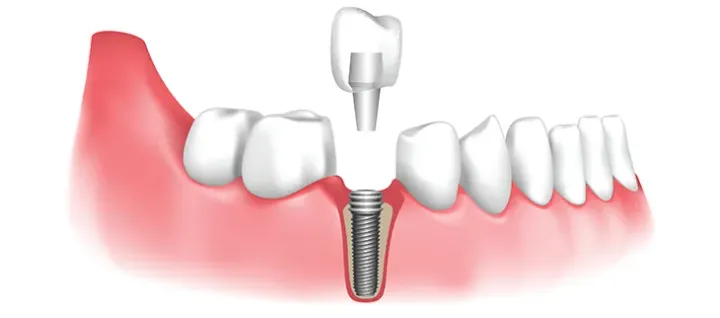
Implants are placed into the jawbone to support replacement teeth. Treatment may involve several stages, including assessment, implant placement, healing, and attachment of a crown or other restoration.
Not everyone is suitable for every restorative procedure. Bone condition, gum health, medical history, and the condition of surrounding teeth can influence treatment planning.
3. Root Canal Treatment
Root canal treatment, also called endodontic treatment, is used when the soft tissue inside a tooth becomes infected or seriously damaged.
The procedure generally involves:
Examining the affected tooth and taking appropriate dental images.
Administering local anesthesia when needed.
Creating access to the infected or damaged pulp.
Removing the affected tissue and cleaning the internal canals.
Filling and sealing the canals.
Restoring the tooth, often with a crown when additional protection is clinically appropriate.
Root canal treatment can help preserve a natural tooth that might otherwise require extraction. The number of appointments depends on the tooth, infection, and complexity of the procedure.
Persistent swelling, fever, or spreading facial swelling requires prompt professional assessment. Dental infections should not be ignored.
4. Periodontal and Gum Treatments
Periodontal dentistry focuses on conditions affecting the gums and the structures supporting teeth.
Early gum disease may cause redness, swelling, tenderness, or bleeding during brushing. More advanced disease can damage supporting tissues and bone, potentially causing loose teeth.
Common treatments include:
Professional cleaning: Removes plaque and deposits from tooth surfaces.
Scaling and root planing: A deeper cleaning procedure that removes deposits below the gumline and smooths affected root surfaces.
Periodontal maintenance: Regular follow-up cleaning and monitoring after gum disease treatment.
Medication: Selected patients may receive prescribed medication or antimicrobial rinses as part of a broader treatment plan.
Periodontal surgery: May be considered for advanced disease or specific defects that cannot be adequately managed through non-surgical treatment alone.
Daily oral hygiene remains important after periodontal treatment. Tobacco cessation and appropriate management of conditions such as diabetes can also support gum health.
5. Orthodontic Treatment
Orthodontics addresses problems involving tooth alignment, bite relationships, and jaw positioning.
Common options include:
Traditional braces: Brackets and wires gradually move teeth into planned positions.
Ceramic braces: Use tooth-colored or less noticeable brackets.
Clear aligners: Removable transparent trays designed to move teeth through a planned sequence.
Retainers: Help maintain tooth positions after active orthodontic treatment.
Specialist orthodontic procedures: Selected patients with complex jaw or bite problems may require coordinated orthodontic and surgical care.
Treatment duration varies according to the complexity of the case, age, treatment plan, and patient cooperation. A dentist or orthodontist should assess whether a particular approach is suitable.
6. Cosmetic Dentistry
Cosmetic dentistry focuses on improving the appearance of teeth and smiles. Some procedures may also provide restorative benefits.
Examples include:
Professional teeth whitening: Uses dental products to reduce certain types of tooth discoloration.
Dental bonding: Applies tooth-colored resin to repair minor chips, close small gaps, or change tooth shape.
Veneers: Thin coverings placed on the front surfaces of selected teeth to change their appearance.
Cosmetic crowns: Restore damaged teeth while also addressing appearance.
Gum contouring: Reshapes selected gum areas when clinically appropriate.
Whitening and cosmetic procedures are not suitable for every person. Existing cavities, gum disease, tooth sensitivity, restorations, and the cause of discoloration should be evaluated before treatment.
Comparison of Common Dental Procedures
| Procedure | Main purpose | Typical situation |
|---|---|---|
| Professional cleaning | Remove plaque and deposits | Routine preventive care |
| Fluoride treatment | Strengthen enamel | Increased cavity risk |
| Dental filling | Repair tooth decay | Small or moderate cavity |
| Dental crown | Protect a weakened tooth | Extensive damage |
| Root canal | Treat infected or damaged pulp | Deep decay or pulp infection |
| Scaling and root planing | Treat gum disease | Periodontal infection |
| Dental implant | Replace a missing tooth | Suitable bone and gum conditions |
| Dentures | Replace several or all missing teeth | Partial or complete tooth loss |
| Braces or aligners | Improve tooth alignment | Crowding or bite concerns |
| Teeth whitening | Reduce selected stains | Cosmetic discoloration |
A comparison table provides general information only. The dentist's examination determines which procedure, if any, is appropriate.
What Happens During a Dental Appointment?
A dental appointment generally begins with a discussion of symptoms, medical history, and previous dental treatment.
The process may include the following stages:
1. Medical and dental history
The dental team may ask about existing medical conditions, medications, allergies, previous procedures, tobacco use, and symptoms.
2. Oral examination
The dentist examines the teeth, gums, bite, tongue, and other oral tissues. The examination may include checking for cavities, gum inflammation, damaged restorations, and unusual tissue changes.
3. Diagnostic imaging
Dental X-rays or other imaging may be recommended when they are expected to provide useful clinical information. Imaging should be based on individual needs rather than performed automatically at every visit.
4. Diagnosis and discussion
The dentist explains the findings, possible treatment approaches, expected benefits, limitations, and relevant risks.
5. Treatment planning
A treatment plan may include preventive care, restorative procedures, specialist referrals, or monitoring over time.
6. Follow-up
Some treatments require additional appointments to assess healing, complete restoration work, or monitor progress.
Patients should feel comfortable asking questions and requesting clarification before agreeing to a procedure.
Factors That Influence Dental Treatment Choices
There is no single treatment plan suitable for everyone. Several factors can influence the approach recommended by a dental professional.
Age and dental development: Children, teenagers, adults, and older adults may have different dental needs.
Extent of damage: A small cavity may require a filling, while extensive structural damage may need a crown or another restoration.
Gum and bone health: These factors can affect the suitability of implants and certain restorative procedures.
Medical history: Diabetes, heart conditions, immune-related conditions, and other health concerns may affect treatment planning.
Medication use: Certain medications can contribute to dry mouth, bleeding considerations, or other oral health concerns.
Patient preferences: Appearance, treatment duration, comfort, and maintenance requirements may influence decisions.
Dental coverage: Insurance benefits, exclusions, annual limits, and network arrangements may affect access to particular procedures.
Long-term maintenance: Some treatments require periodic review, adjustments, or replacement.
A second opinion can be useful before complex or extensive treatment, especially when several approaches are available.
Dental Care for Different Age Groups
Children
Children benefit from early dental examinations, fluoride toothpaste, appropriate fluoride exposure, and attention to cavity prevention. Sealants may be recommended for selected permanent molars.
Parents should supervise brushing until children can clean their teeth effectively and should discuss age-appropriate toothpaste use with a dental professional.
Teenagers
Teenagers may need orthodontic assessment, cavity prevention, sports mouthguards, and guidance on oral hygiene during orthodontic treatment.
Adults
Adults should maintain regular dental examinations and address cavities, gum inflammation, tooth sensitivity, and changes in existing restorations.
Pregnancy, diabetes, tobacco use, and certain medications may affect oral health and should be discussed during dental appointments.
Older Adults
Older adults may experience gum recession, dry mouth, tooth wear, root cavities, and challenges maintaining dentures or implants.
A dental examination remains important even for people who have lost some or all of their natural teeth.
Practical Oral Health Tips
Consistent daily habits can help protect teeth and gums between dental visits.
Brush twice daily: Use a soft-bristled toothbrush and fluoride toothpaste. Brush for approximately two minutes, covering all tooth surfaces and the gumline gently.
Clean between teeth: Use dental floss or an appropriate interdental cleaner to remove plaque from areas a toothbrush may not reach.
Choose water regularly: Fluoridated drinking water can support enamel health. Water also helps prevent dry mouth.
Limit frequent sugar exposure: Reduce frequent consumption of sugary snacks and drinks, particularly between meals.
Avoid tobacco: Smoking and other tobacco use increase the risk of gum disease and oral cancer.
Protect teeth during sports: Use an appropriate mouthguard during activities that involve a risk of dental injury.
Replace worn toothbrushes: Change toothbrushes or brush heads when bristles become frayed.
Follow professional advice: People with gum disease, braces, implants, dentures, or recurring cavities may need specific cleaning methods.
Pay attention to changes: Persistent bleeding gums, mouth sores, unexplained lumps, or changes in swallowing should be evaluated.
Maintain routine dental visits: The appropriate interval depends on individual oral health and risk factors.
Dental Insurance and Coverage Considerations in the United States
Dental coverage is often separate from general medical insurance in the United States. Employer-sponsored dental plans, individual dental policies, and public programs may cover different procedures and have different limitations.
Before arranging treatment, review:
Preventive examination and cleaning benefits.
Coverage for fillings, crowns, and other restorative procedures.
Orthodontic eligibility and age restrictions.
Waiting periods for certain procedures.
Annual benefit limits and deductibles.
Coinsurance and patient payment responsibilities.
Network dentists and referral requirements.
Exclusions, frequency limits, and preauthorization rules.
Medicare: Original Medicare generally does not cover routine dental care, including most cleanings, fillings, extractions, dentures, and implants. Certain dental procedures may be covered when they are closely connected to specific covered medical treatment. Some Medicare Advantage plans include additional dental benefits, subject to plan terms. <Cite refs={["turn456175search0","turn456175search4"]}/>
Medicaid and CHIP: Federal rules require comprehensive dental benefits for eligible children enrolled in Medicaid and CHIP. Adult dental benefits are determined by individual states and can vary substantially. <Cite refs={["turn456175search1","turn456175search3"]}/>
Patients should confirm coverage directly with their plan and dental provider before treatment. A procedure being clinically recommended does not necessarily mean it is covered by a particular insurance arrangement.
Recent Dental Health Guidance and Developments
Dental care recommendations continue to emphasize prevention, appropriate diagnosis, and timely treatment.
Preventive oral health: CDC guidance continues to highlight brushing twice daily with fluoride toothpaste, cleaning between teeth, limiting added sugar, and regular dental examinations. It also emphasizes avoiding tobacco and addressing dry mouth. <Cite refs={["turn456175search14"]}/>
Evidence-based treatment information: The American Dental Association maintains clinical oral health resources covering topics such as fluoride, sealants, gum disease, dental materials, oral pain, whitening, and infection control. These resources help dental professionals evaluate clinical evidence and treatment considerations. <Cite refs={["turn456175search2"]}/>
Dental coverage in 2026: Medicare's 2026 coverage information continues to distinguish routine dental care from dental procedures that are integral to certain covered medical treatments. Medicaid adult dental benefits remain state-dependent. <Cite refs={["turn456175search0","turn456175search1","turn456175search4"]}/>
For treatment decisions, patients should rely on current clinical guidance and advice from a qualified dentist rather than advertisements or generalized claims about particular procedures.
Dental Care Tools and Resources
The following resources provide educational information about oral health and dental treatment.
American Dental Association (ADA): Oral health topics, preventive dentistry, dental materials, and professional guidance. <Link url="https://www.ada.org/resources/ada-library/oral-health-topics" title="Explore ADA Oral Health Topics"/>
National Institute of Dental and Craniofacial Research (NIDCR): Information about cavities, gum disease, dental procedures, and finding dental care. <Link url="https://www.nidcr.nih.gov/health-info" title="Explore NIDCR Health Information"/>
Centers for Disease Control and Prevention (CDC): Practical oral health recommendations for adults and children. <Link url="https://www.cdc.gov/oral-health/" title="Explore CDC Oral Health"/>
Medicare: Official information about dental coverage and qualifying medical-related procedures. <Link url="https://www.medicare.gov/coverage/dental-services" title="Review Medicare Dental Coverage"/>
Medicaid: Information about dental benefits for children and adults. <Link url="https://www.medicaid.gov/medicaid/benefits/dental-care" title="Review Medicaid Dental Care"/>
Health Resources and Services Administration (HRSA): Guidance on locating dental care, including community health centers and dental school clinics. <Link url="https://www.hrsa.gov/oral-health/how-to-find-dental-care" title="Find Dental Care Through HRSA"/>
Frequently Asked Questions
1. What are the most common types of dental care?
Common types include preventive examinations, professional cleaning, fluoride treatments, fillings, crowns, root canal treatment, gum disease treatment, orthodontics, dentures, and dental implants. The appropriate option depends on the patient's oral health and clinical needs.
2. How often should someone visit a dentist?
Many people have routine dental examinations at least once a year, while others may need more frequent visits. The appropriate schedule depends on cavity risk, gum health, medical history, and previous dental problems.
3. Is a root canal better than removing a tooth?
Root canal treatment can preserve a natural tooth when it is clinically suitable. Extraction may be considered when a tooth cannot be predictably restored or when other clinical factors make preservation unsuitable. A dentist can explain the advantages and limitations of each approach.
4. Are dental implants suitable for everyone?
No. Implant suitability depends on factors such as jawbone condition, gum health, medical history, oral hygiene, and the ability to maintain the restoration. A dental examination and appropriate imaging are needed before treatment planning.
5. What can help prevent cavities and gum disease?
Brush twice daily with fluoride toothpaste, clean between teeth, limit frequent sugar exposure, avoid tobacco, and attend dental examinations at intervals recommended by a dental professional.
Conclusion
Dental care includes a wide range of preventive, restorative, cosmetic, orthodontic, and specialist procedures. Regular examinations and consistent oral hygiene can help identify problems early, preserve natural teeth, and maintain healthy gums.
The right treatment depends on individual dental needs, medical history, and clinical findings. Understanding the available options, asking questions, and following professional guidance can help individuals make informed decisions about their oral health.