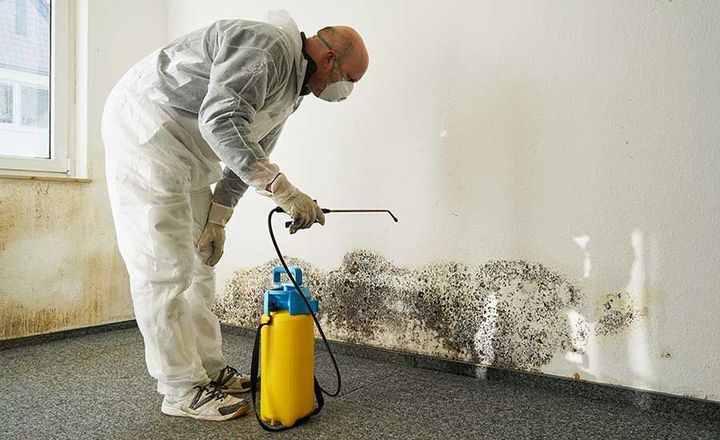
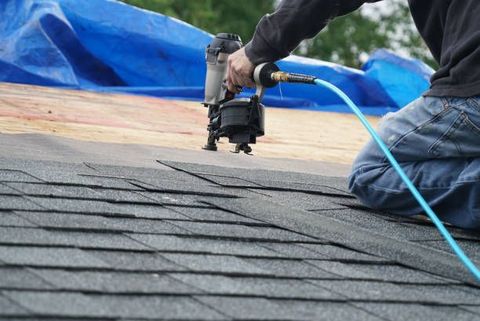
The topic exists because uncontrolled mold growth can damage building materials and reduce indoor air quality. Over time, this can affect how a space is used and maintained. Mold remediation focuses on correcting the underlying moisture problem and safely addressing affected areas rather than simply masking visible signs.
Why Mold Remediation Matters Today
Mold-related issues have become more visible in recent years due to increased urban density, aging buildings, and more frequent extreme weather events. Heavy rainfall, storms, and flooding can introduce moisture into homes and commercial properties, creating favorable conditions for mold.
This topic affects:
• Homeowners and renters living in moisture-prone buildings
• Property managers responsible for building maintenance
• Schools, offices, and healthcare facilities where indoor air quality is critical
• Individuals with respiratory sensitivities who may be more affected by mold exposure
Mold remediation helps solve problems such as:
• Structural deterioration of wood, drywall, and insulation
• Persistent odors and visible staining
• Reduced indoor air quality
• Ongoing moisture-related damage if left unaddressed
By addressing both the mold and the moisture source, remediation supports safer and more stable indoor environments.
Recent Trends and Developments
Over the past year, several trends have influenced how mold remediation is approached.
One notable development in 2024 was the wider use of moisture mapping and infrared imaging. These tools help identify hidden damp areas behind walls or under flooring without invasive inspection.
Another trend observed through 2024 and early 2025 is the increased emphasis on prevention planning after flooding events. Following major storms in the United States during mid-2024, guidance from public health agencies highlighted faster drying timelines and improved ventilation practices to reduce mold growth after water intrusion.
There has also been growing attention to climate-related building resilience. Updated building guidance released in late 2024 emphasized moisture-resistant materials and improved drainage design in flood-prone regions.
Laws, Rules, and Public Guidance
In the United States, mold remediation is influenced by a combination of federal guidance, state-level rules, and local building standards.
At the federal level:
• The Environmental Protection Agency (EPA) provides guidance on mold cleanup and moisture control in indoor environments.
• The Centers for Disease Control and Prevention (CDC) offers public health recommendations related to mold exposure and post-flood cleanup.
At the state level, requirements vary. Some states regulate mold assessment and remediation practices through licensing or certification frameworks, while others rely on general contractor and environmental health regulations.
Building codes and housing standards often address:
• Moisture control and ventilation requirements
• Plumbing and drainage design
• Standards for post-water-damage restoration
While there is no single nationwide mold law, these combined policies influence how remediation is planned and documented.
Helpful Tools and Educational Resources
Several tools and resources can support understanding and planning related to mold remediation.
Educational websites and guidance
• EPA Mold Guidance pages
• CDC Indoor Environmental Quality resources
• State or local health department publications
Assessment and planning tools
• Indoor humidity monitors
• Moisture meters for building materials
• Digital inspection checklists for property maintenance
Reference table: Common Moisture Sources and Prevention Measures
| Moisture Source | Typical Location | Prevention Measure |
|---|
| Roof leaks | Attics, ceilings | Routine roof inspections |
| Plumbing leaks | Walls, cabinets | Timely plumbing repairs |
| High humidity | Basements, bathrooms | Dehumidification and ventilation |
| Flooding | Ground-level spaces | Proper drainage and sealing |
These resources focus on education, monitoring, and prevention rather than promotion.
Frequently Asked Questions
What is the difference between mold removal and mold remediation?
Mold removal refers only to eliminating visible mold. Mold remediation is broader and includes identifying moisture sources, containing affected areas, removing contaminated materials when needed, and preventing future growth.
How long does mold remediation usually take?
The timeline depends on the size of the affected area, the extent of moisture damage, and drying requirements. Small areas may be addressed in a few days, while larger or hidden issues may take longer due to drying and verification steps.
Is mold always visible?
No. Mold can grow behind walls, under flooring, or inside ventilation systems. Musty odors or unexplained moisture can sometimes indicate hidden mold.
Can mold return after remediation?
Yes, if the underlying moisture problem is not corrected. Effective remediation always includes moisture control to reduce the likelihood of recurrence.
Does mold remediation affect daily occupancy?
In some cases, containment measures such as barriers or temporary room closures are used to limit exposure and prevent cross-contamination. The level of disruption depends on the scope of work.
Key Takeaways
Mold remediation is a structured process focused on addressing both mold growth and the conditions that allow it to develop. Its importance has increased due to environmental changes, aging infrastructure, and heightened awareness of indoor environmental quality.
Recent trends highlight improved detection tools and stronger emphasis on prevention after water-related events. While laws and policies vary, public health guidance consistently stresses moisture control, proper cleanup, and informed planning.
By understanding the process, current developments, and available resources, individuals and organizations can make informed decisions about maintaining healthier indoor environments.