Learn More About Gutter Cleaning and Replacement: Essential Tips, Facts, and Expert Advice
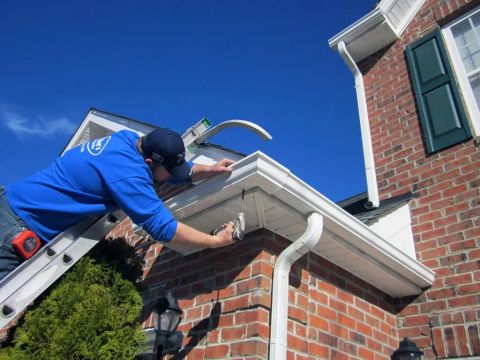
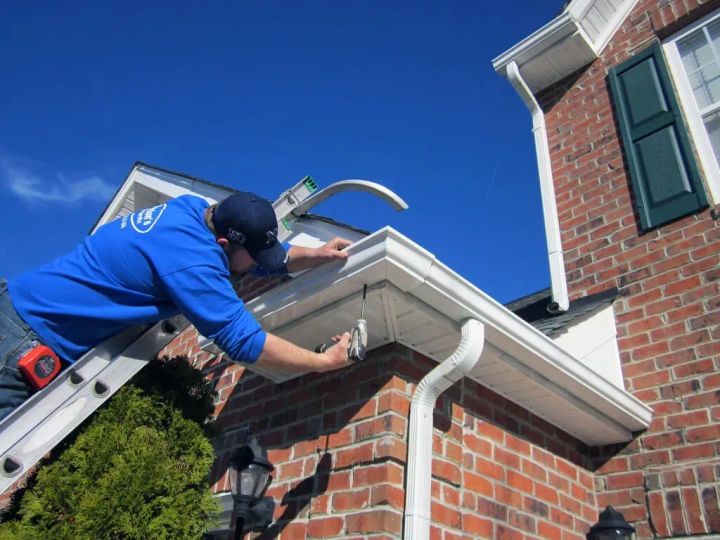
Gutters are narrow channels installed along roof edges to guide rainwater away from a building. Their main role is to protect roofs, walls, foundations, and landscaping from water damage. Over time, leaves, debris, and weather exposure affect how well gutters work, making routine cleaning and eventual replacement a normal part of home maintenance.
This topic exists because gutters are often overlooked until a visible problem appears, such as overflowing water or staining on exterior walls. Understanding how gutter systems function, what materials are available, and when replacement is appropriate helps homeowners make informed decisions and prevent long-term structural issues.
Importance
Gutter maintenance matters because unmanaged rainwater can gradually damage a home. Clogged or deteriorated gutters allow water to pool near foundations, seep into basements, or erode soil around the property. In colder regions, blocked gutters can also contribute to ice formation along roof edges.
This topic affects:
-
Homeowners with pitched or flat roofs
-
Property managers responsible for residential buildings
-
People living in areas with heavy rainfall or seasonal leaf fall
Problems it helps solve include:
-
Preventing moisture-related deterioration
-
Reducing roof edge wear
-
Limiting pest nesting in debris-filled channels
-
Supporting consistent drainage around the structure
A clear understanding of gutter cleaning and replacement supports safer and more durable housing.
Recent Updates
Over the past year, several developments have influenced gutter maintenance practices. In 2024, building material manufacturers expanded the use of corrosion-resistant aluminum blends and UV-stable coatings, extending gutter lifespan. During early 2025, climate data reports highlighted increased frequency of intense rainfall events in parts of North America and Europe, reinforcing the need for efficient water diversion systems.
Smart home technology has also entered this space. In late 2024, sensor-based gutter monitoring tools became more common, alerting homeowners when debris buildup affects water flow. Sustainability trends continued through 2025, with recycled metal gutters gaining attention for reduced environmental impact.
Laws or Policies
Gutter-related rules vary by country and region, but they are often linked to building codes and property standards. In the United States, local building codes typically require roof drainage systems that direct water away from foundations. Some municipalities specify minimum downspout placement distances.
In the United Kingdom, building regulations emphasize adequate rainwater disposal to protect structural integrity and neighboring properties. Improper drainage that affects adjacent land can result in compliance issues.
In parts of Canada and Australia, stormwater management guidelines influence gutter design, especially in new constructions. Homeowners are encouraged to review local regulations before making significant changes, as compliance helps avoid future disputes and ensures safety.
Tools and Resources
Several tools and resources support effective gutter cleaning and replacement planning. The following paragraph introduces commonly used options that homeowners rely on for guidance and accuracy.
-
Measuring tools such as tape measures and slope levels
-
Ladder stabilizers and safety accessories for roof-edge access
-
Online gutter sizing calculators offered by building material websites
-
Weather pattern tracking apps that help schedule maintenance
-
Home maintenance planning templates for seasonal upkeep
Below is a comparison table outlining common gutter materials and their general characteristics.
| Material Type | Typical Lifespan Range | Key Characteristics | Maintenance Level |
|---|---|---|---|
| Aluminum | 20–30 years | Lightweight, rust-resistant | Low |
| Vinyl | 10–20 years | Easy to handle, temperature sensitive | Moderate |
| Steel | 20–40 years | Strong, durable, heavier | Moderate |
| Copper | 50+ years | Develops patina, long-lasting | Low |
FAQs
How often should gutters be cleaned?
Most homes benefit from cleaning twice a year, typically in spring and autumn. Properties surrounded by trees may require more frequent attention due to leaf accumulation.
What are common signs that gutters need replacement?
Visible cracks, sagging sections, peeling paint nearby, and persistent overflow during rainfall often indicate that replacement should be considered.
Are seamless gutters different from sectional gutters?
Seamless gutters are formed from a single continuous piece of material, reducing joint-related leaks. Sectional gutters are assembled from smaller segments joined together.
Can gutter material affect long-term durability?
Yes. Material choice influences resistance to corrosion, temperature changes, and physical stress. Climate and surrounding environment play important roles in determining suitability.
Do gutter guards eliminate the need for cleaning?
Guards reduce debris buildup but do not completely remove the need for periodic inspection and light cleaning.
Conclusion
Gutter cleaning and replacement are essential elements of responsible home maintenance. By understanding why gutters exist, how they protect structures, and what options are available, homeowners can better preserve their properties. Recent material innovations, evolving climate conditions, and updated building guidelines highlight the continued relevance of this topic.
With the right tools, awareness of regulations, and attention to warning signs, maintaining effective gutters becomes a manageable task. A well-informed approach supports long-term durability, reduces avoidable damage, and contributes to a safer living environment.