Explore Carton Sealing Machines: Complete Guide, Basics, Tips, Insights and Helpful Resources
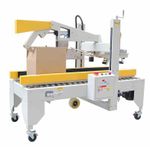
Carton sealing machines are packaging automation systems used to close and secure corrugated boxes after products are placed inside them. These machines are widely used in industries such as manufacturing, logistics, e-commerce fulfillment, and warehouse operations where large volumes of cartons must be sealed efficiently and consistently.
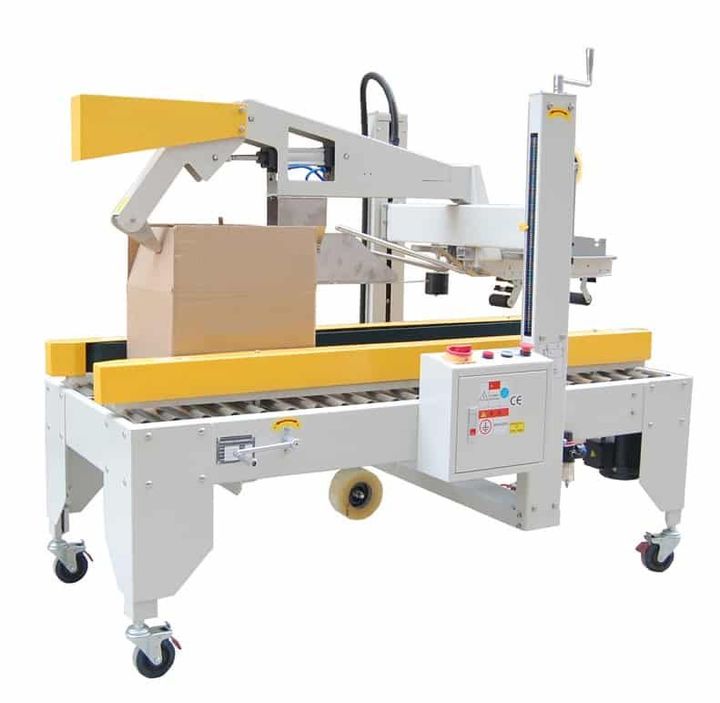
A typical carton sealing machine applies adhesive tape along the top and sometimes the bottom flaps of a box. Some models operate manually with operator assistance, while others function automatically as part of a larger automated packaging line. The main purpose is to ensure that packages remain secure during storage, handling, and transportation.
The concept of automated carton sealing developed as industrial packaging equipment evolved. As production and shipping volumes increased across global supply chains, businesses began adopting packaging machinery to reduce manual work and improve consistency. Today, carton sealing equipment is commonly used in distribution centers and industrial facilities that require organized and reliable packaging processes.
Carton sealing machines can vary depending on design and operational requirements. Common categories include:
-
Semi-automatic carton sealers that require manual box placement but seal automatically
-
Automatic carton sealers that detect and seal cartons moving on conveyor systems
-
Uniform carton sealers designed for boxes with consistent dimensions
-
Random carton sealers capable of adjusting to different carton sizes
Most systems use pressure-sensitive tape to secure the box flaps. Sensors, conveyors, and adjustable guides help align cartons during operation to maintain smooth workflow within packaging lines.
Carton sealing equipment is often integrated with other packaging automation tools such as case forming systems, labeling machines, barcode scanners, and palletizing equipment. These technologies together support efficient packaging operations in large logistics environments.
Why Carton Sealing Machines Matter in Modern Packaging
The importance of carton sealing machines has increased due to the rapid growth of global logistics and warehouse automation. Packaging operations must handle large shipping volumes while maintaining product protection and standardized packaging quality.
Carton sealing technology helps address several operational challenges.
-
Consistency in packaging
Automated sealing ensures cartons are closed uniformly, reducing the risk of weak seals or damaged shipments. -
Operational efficiency
Packaging automation reduces repetitive manual tasks and improves productivity within packaging lines. -
Better handling in logistics networks
Securely sealed cartons help protect products during transportation, sorting, and warehouse storage. -
Integration with automated systems
Many facilities connect carton sealing machines with conveyor automation and digital logistics systems.
Industries that commonly use carton sealing machines include manufacturing, consumer goods distribution, food processing, pharmaceutical packaging, and online retail fulfillment.
The following table shows typical applications across sectors.
| Industry Sector | Typical Packaging Application |
|---|---|
| Manufacturing | Preparing finished goods for distribution |
| E-commerce logistics | Packaging customer orders for shipment |
| Food processing | Sealing product cartons for storage |
| Pharmaceutical distribution | Protecting regulated product shipments |
| Consumer goods | High-volume retail packaging |
Another reason these machines are important is workplace efficiency. Manual carton sealing can be repetitive and physically demanding. Automated systems help maintain consistent sealing quality while reducing repetitive movements in packaging environments.
Because of these benefits, carton sealing machines are often discussed within topics such as packaging automation systems, industrial packaging equipment, warehouse automation technology, and supply chain efficiency.
Recent Developments and Industry Trends
Packaging technology has continued to evolve in recent years as industries adopt smarter automation systems and improved logistics management tools.
During 2024 and 2025, packaging machinery manufacturers introduced systems with improved sensor technology and automated adjustments. These features help detect carton misalignment, optimize tape usage, and maintain steady packaging flow within production environments.
Another noticeable trend is the integration of smart monitoring features in industrial equipment. Sensors and digital control panels allow operators to observe machine performance and identify maintenance needs before disruptions occur.
Sustainability has also become a major focus across packaging operations. Organizations are increasingly looking for methods to reduce packaging waste and improve material efficiency. Packaging machinery that supports accurate tape application or optimized carton dimensions can contribute to reduced material usage.
Automation compatibility is another growing trend in packaging systems. Many facilities combine carton sealing machines with:
-
automated case forming equipment
-
conveyor transport systems
-
robotic handling systems
-
barcode scanning technology
These connected systems help packaging lines operate more efficiently and allow organizations to process larger shipment volumes.
Growth in e-commerce logistics has also influenced packaging system design. Distribution centers handling diverse product sizes often rely on random carton sealing equipment capable of adjusting to different box dimensions without manual configuration.
These trends highlight how packaging machinery continues evolving to support modern logistics and automated supply chains.
Regulatory and Compliance Considerations
Carton sealing machines operate within broader industrial safety and packaging regulations. Although the exact requirements vary between regions, most industrial environments follow general equipment safety and packaging standards.
Industrial machinery typically must comply with workplace safety guidelines designed to protect machine operators. These rules may address areas such as:
-
machine guarding and protective covers
-
emergency stop systems
-
safe electrical components
-
operator training requirements
Packaging operations may also follow standards related to product safety, labeling accuracy, and traceable packaging processes. Certain industries, particularly food processing and pharmaceuticals, require packaging environments that maintain product integrity and clear labeling identification.
Environmental regulations are becoming increasingly important as well. Many regulatory programs now encourage reduced packaging waste and improved recyclability of materials used in packaging systems.
While carton sealing machines themselves are mechanical tools, their operation within industrial facilities must align with workplace safety regulations, packaging compliance guidelines, and environmental policies applicable to the industry.
Understanding these compliance considerations helps organizations maintain responsible and safe packaging operations.
Helpful Tools and Knowledge Resources
Professionals working with packaging automation often rely on digital tools and technical resources to monitor equipment performance and improve packaging workflows.
Common categories of tools include monitoring systems, packaging design resources, and industrial maintenance platforms.
Packaging performance tools
-
Equipment monitoring dashboards
-
Machine performance tracking systems
-
Production analytics tools
Warehouse and logistics systems
-
Inventory tracking platforms
-
Barcode scanning systems
-
shipment management software
Packaging design resources
-
carton dimension calculators
-
packaging material optimization tools
-
logistics planning templates
These resources help packaging operators analyze operational data, monitor machine conditions, and improve packaging efficiency across production lines.
The table below highlights typical resource categories used in packaging environments.
| Resource Category | Function |
|---|---|
| Machine monitoring tools | Track equipment performance and uptime |
| Inventory systems | Coordinate packaging with warehouse operations |
| Packaging calculators | Estimate carton dimensions and material usage |
| Maintenance platforms | Schedule equipment inspections and servicing |
Educational materials related to packaging automation are also available through industrial engineering publications, logistics research platforms, and manufacturing technology guides. These resources provide technical insights and best practices for packaging system management.
Frequently Asked Questions
What is the primary function of a carton sealing machine?
A carton sealing machine automatically closes and seals corrugated boxes using adhesive tape or similar materials. It helps maintain packaging consistency and supports efficient handling within logistics and manufacturing environments.
What is the difference between semi-automatic and automatic carton sealers?
Semi-automatic machines require manual box placement before sealing, while automatic machines detect cartons moving along conveyors and seal them with minimal operator interaction.
Can carton sealing machines handle different box sizes?
Some machines are designed for uniform carton sizes, while others can automatically adjust to different dimensions. Systems that adapt to multiple box sizes are often used in facilities with varied packaging requirements.
Do carton sealing machines require maintenance?
Like most industrial equipment, carton sealing machines require routine inspection and maintenance to ensure reliable operation. Maintenance may involve checking tape mechanisms, sensors, and mechanical components.
How do carton sealing machines support logistics efficiency?
Automated sealing improves packaging consistency, reduces manual effort, and enables integration with conveyor systems and warehouse operations. This helps distribution centers process shipments more efficiently.
Conclusion
Carton sealing machines are an essential part of modern packaging automation. By sealing cartons consistently and efficiently, these machines support reliable product protection during storage, handling, and transportation.
As supply chains continue to grow and logistics operations become more automated, packaging equipment plays a crucial role in maintaining organized and efficient packaging workflows. Recent developments in automation technology, sensor integration, and sustainability practices show how packaging systems are adapting to changing industrial needs.
Understanding how carton sealing machines function, the regulations that influence their use, and the tools that support packaging operations can help readers gain a clearer perspective on their role within modern supply chains and automated packaging environments.

YOU MAY ALSO LIKE