Explore Hot Air Blowers: Complete Guide, Facts, Tips, and Useful Information
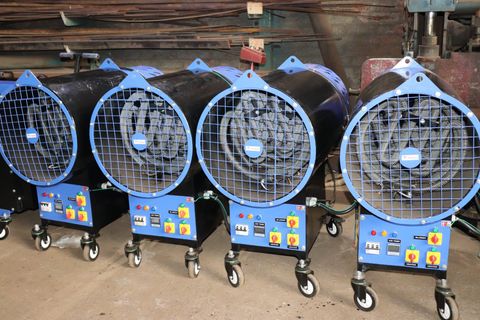
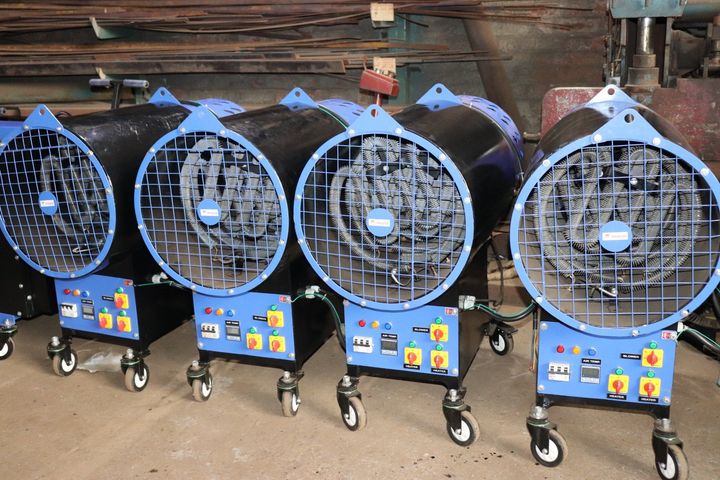
Hot air blowers are devices designed to generate a stream of heated air that can be directed toward a surface or material. These tools use electrical heating elements combined with airflow mechanisms to produce controlled heat. The technology is commonly applied in industrial processing, electronics repair, surface treatment, plastic shaping, and material drying.
A typical hot air blower consists of three main components: a heating element, an air-moving fan, and temperature control circuitry. When electricity passes through the heating element, it generates heat, while the fan pushes air across the element and directs the heated airflow outward through a nozzle.
Hot air blower technology falls within the broader field of industrial heating systems, thermal processing equipment, and heat control technology. Modern designs often include adjustable airflow levels and digital temperature settings, enabling accurate heat management for delicate materials.
In technical environments, the controlled heat stream can help soften adhesives, shrink heat tubing, dry coatings, or shape plastics. Because of these uses, hot air blowers appear in fields such as electronics maintenance, packaging technology, automotive repair, manufacturing processes, and construction material treatment.
Why Hot Air Blower Technology Matters Today
The importance of hot air blowers has grown alongside modern manufacturing and maintenance needs. Many industrial and technical procedures require controlled heating rather than open flames or large heating systems.
Several factors explain the increasing relevance of hot air blower technology:
• Precision heating for delicate materials
• Improved energy efficiency in localized heating
• Safer alternatives compared to flame-based heating
• Adaptability across many industries
For example, in electronics assembly, precise thermal control helps remove or install components on circuit boards. In construction and renovation, hot air blowers can assist in paint removal, surface drying, and material bonding.
The technology also contributes to efficiency in industrial environments. Instead of heating an entire workspace, hot air blowers provide targeted thermal processing, reducing overall energy consumption.
Below is a simplified comparison of common heating methods used in industrial applications.
| Heating Method | Heat Precision | Safety Level | Typical Applications |
|---|---|---|---|
| Hot Air Blower | High | High | Electronics, plastics, coatings |
| Open Flame | Low | Lower | Metal shaping, welding |
| Infrared Heater | Medium | Medium | Surface drying |
| Industrial Oven | High | High | Batch manufacturing |
This table illustrates how localized heating tools can provide a balance between control, efficiency, and safety.
Recent Developments and Technology Trends
Over the past year, several trends have emerged in the design and application of hot air blower systems.
One noticeable change in 2025 has been the expansion of digital temperature control systems. Many modern tools now include microcontroller-based regulation that maintains stable temperature ranges, improving consistency during thermal processing tasks.
Another development involves improved energy efficiency standards. Manufacturers have introduced heating elements that warm faster while using lower power input, helping reduce electricity consumption.
A third trend relates to smart diagnostics and monitoring. Some industrial heating tools now incorporate sensors that detect overheating, airflow blockage, or internal component failure. These safety mechanisms can automatically shut down the device to prevent damage.
Recent industrial safety updates published in 2025 by workplace safety organizations also emphasize improved insulation and ergonomic design in heat tools. These updates encourage manufacturers to reduce surface heat exposure and improve handle insulation.
In addition, sustainability considerations have influenced heating technology. Research during 2024–2025 has focused on materials that maintain heat efficiency while reducing environmental impact.
A simplified trend overview appears below.
| Trend | Description | Year Observed |
|---|---|---|
| Digital temperature control | Microprocessor-based heat regulation | 2024–2025 |
| Energy-efficient heating elements | Faster heating with lower energy use | 2025 |
| Smart safety sensors | Automatic shutdown and monitoring | 2025 |
| Ergonomic design improvements | Better insulation and safer grip materials | 2024–2025 |
These developments reflect the broader shift toward safer and more efficient industrial tools.
Regulations, Safety Guidelines, and Policies
Hot air blowers fall under several categories of equipment regulation, particularly those involving electrical safety, workplace safety, and consumer product standards.
Most countries regulate electrical heating tools through standards that ensure safe operation, proper insulation, and electrical compliance. These regulations typically focus on:
• Electrical wiring safety
• Temperature control stability
• Protection against overheating
• Certification testing before market distribution
International standards organizations provide widely used frameworks for these requirements. Examples include electrical safety standards and industrial tool certification programs.
Workplace safety regulations also influence how hot air blowers are used in professional environments. Occupational safety agencies often publish guidelines that address:
• Safe handling of high-temperature tools
• Proper ventilation during heating processes
• Protective equipment for operators
• Training requirements for industrial heat tools
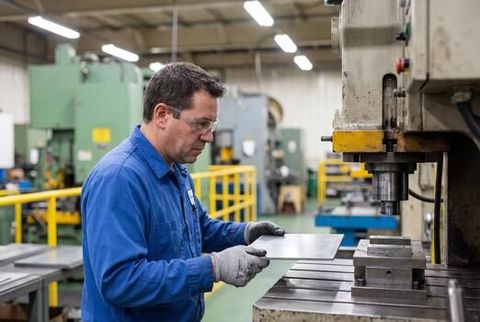
For example, safety recommendations often include wearing heat-resistant gloves, maintaining proper airflow around heating devices, and avoiding contact with flammable materials.
Environmental policies can also apply when hot air blowers are used in manufacturing processes involving coatings, adhesives, or plastic materials. In such cases, ventilation standards and emission monitoring may be required to maintain air quality in enclosed workspaces.
Helpful Tools, Platforms, and Resources
Many tools and digital resources support the safe and effective use of hot air blower technology. These resources are often used for training, engineering design, and maintenance planning.
Common examples include:
Temperature Control Calculators
• Heat output calculators
• Thermal airflow estimators
• Material temperature tolerance charts
Technical Documentation Platforms
• Engineering specification databases
• Product safety standards libraries
• Equipment maintenance manuals
Industrial Design Tools
• CAD software for equipment design
• Thermal simulation programs
• Electrical system modeling tools
Training and Learning Resources
• Safety training guides for heat tools
• Industrial equipment manuals
• Technical engineering textbooks on heat transfer
The following table highlights several categories of digital tools that assist engineers and technicians.
| Tool Category | Purpose |
|---|---|
| Thermal simulation software | Predicts heat behavior in materials |
| Electrical design platforms | Models power requirements |
| Equipment maintenance trackers | Records inspection schedules |
| Safety training systems | Provides educational guidance |
These resources help professionals better understand heat control technology and maintain safe equipment operation.
Frequently Asked Questions About Hot Air Blowers
What is the main purpose of a hot air blower?
A hot air blower generates a controlled stream of heated air that can be directed toward materials or surfaces. It is commonly used for thermal processing tasks such as drying, shaping, softening adhesives, and electronics maintenance.
How does a hot air blower differ from a heat gun?
The terms are sometimes used interchangeably, but in technical contexts, hot air blowers often refer to equipment designed for continuous industrial use with adjustable airflow and precise temperature regulation.
What safety precautions should be followed when using hot air blowers?
Common safety practices include maintaining adequate ventilation, avoiding contact with flammable materials, using protective gloves, and ensuring that equipment temperature settings remain within recommended ranges.
Can hot air blowers be used in electronics repair?
Yes. Controlled heat airflow is frequently used in electronics work to remove or install components on circuit boards. Accurate temperature control is essential to prevent damage to sensitive electronic parts.
What factors affect the performance of a hot air blower?
Several variables influence performance, including airflow rate, heating element power, nozzle design, and temperature control accuracy. Proper maintenance and correct airflow settings also contribute to consistent operation.
Conclusion
Hot air blowers represent an important category of thermal technology used across many industries. By generating a controlled stream of heated air, these devices enable precise heating for applications ranging from electronics repair to industrial material processing.
Advancements in digital temperature control, energy-efficient heating elements, and improved safety features have strengthened the reliability and effectiveness of modern hot air blower systems. These improvements reflect broader trends in industrial tool development, where efficiency, safety, and environmental considerations are becoming increasingly important.
Regulatory standards and workplace safety guidelines also play a key role in shaping how heating equipment is designed and used. Compliance with electrical safety standards, training programs, and ventilation guidelines helps ensure safe operation in both professional and technical environments.
Understanding the principles behind hot air blower technology provides valuable insight into how controlled heat applications support modern manufacturing, maintenance, and engineering processes. As industries continue to adopt more precise thermal technologies, hot air blowers remain a practical and widely used solution for localized heating tasks.

YOU MAY ALSO LIKE