Learn About Gold Bracelets: Complete Guide, Facts, Tips, and Expert Insights
Gold bracelets are wrist ornaments made primarily from gold or gold-based alloys. For centuries, people have worn bracelets for decorative purposes, cultural symbolism, and personal expression. Gold has remained one of the most widely used metals in jewelry because of its natural shine, resistance to corrosion, and long-lasting properties.
Early bracelets were handcrafted using simple metalworking tools. Ancient artisans shaped gold into circular bands or twisted wire forms that could be worn comfortably around the wrist. Over time, improvements in metalworking techniques allowed artisans to experiment with complex shapes, patterns, and textures.
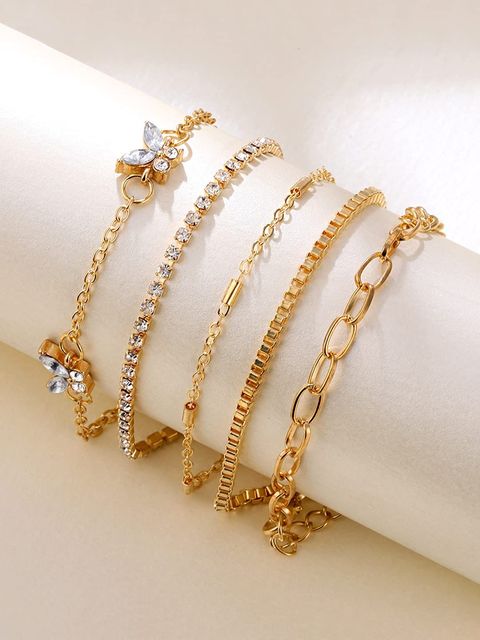
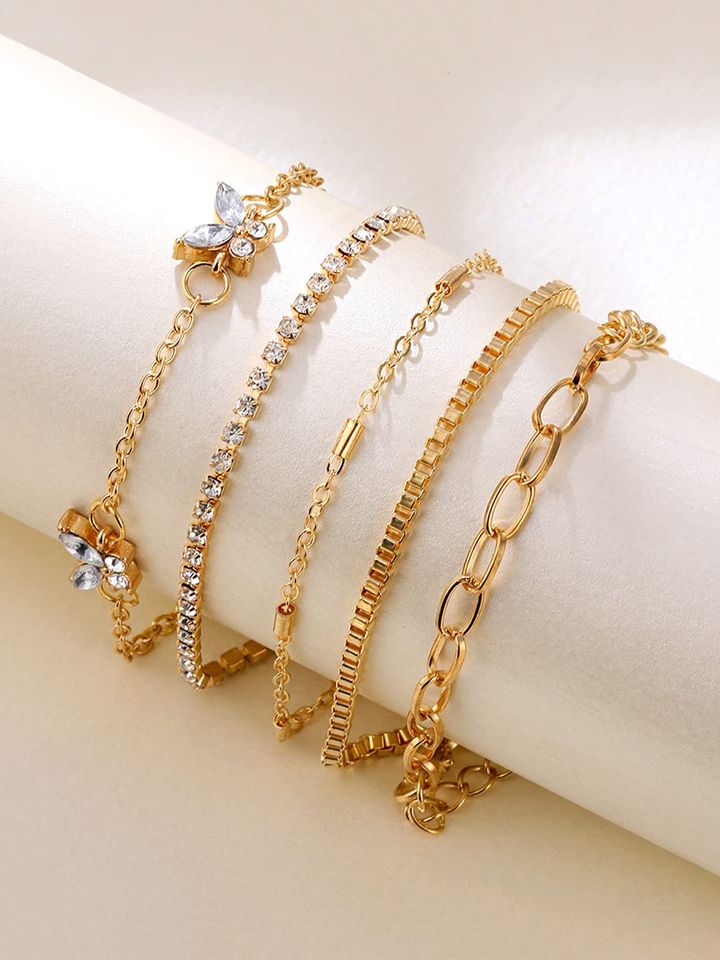
Gold bracelets can appear in several structural forms. Each type offers different design characteristics and levels of flexibility.
-
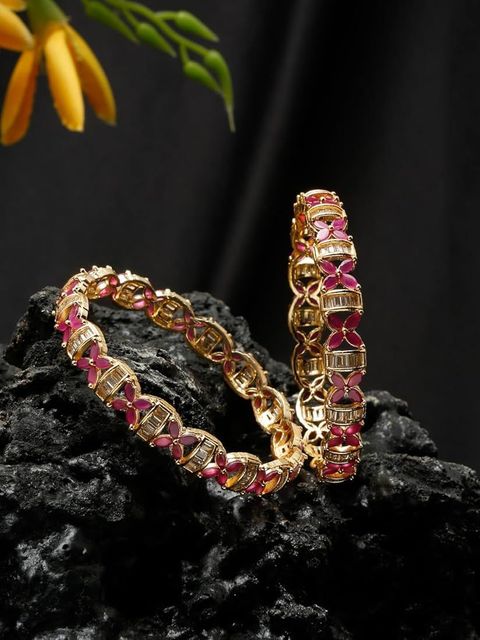
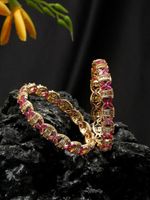
Bangle bracelets: Solid circular pieces that slide over the wrist
-
Chain bracelets: Flexible designs made of interconnected links
-
Cuff bracelets: Open-ended bracelets that wrap partially around the wrist
-
Charm bracelets: Link bracelets that hold decorative attachments or symbols
Gold purity is typically measured in karats. The karat system indicates how much pure gold is present in the metal mixture.
| Gold Purity | Gold Content | General Characteristics |
|---|---|---|
| 10K | 41.7% | Strong alloy with lighter gold tone |
| 14K | 58.3% | Balanced strength and appearance |
| 18K | 75% | Rich color with moderate durability |
| 24K | 99.9% | Nearly pure gold with softer structure |
Pure gold is naturally soft, so it is often mixed with other metals such as copper or silver to improve durability and maintain shape in jewelry items.
Why Gold Bracelets Remain Relevant Today
Gold bracelets continue to hold significance in jewelry design due to their durability, versatility, and cultural presence. Gold is one of the few metals that can maintain its shine for decades without rusting or tarnishing.
Understanding gold bracelets is useful for several groups:
-
Students studying design or decorative arts
-
Researchers exploring jewelry history
-
Individuals interested in metal properties
-
Readers seeking general knowledge about jewelry materials
Gold bracelets are often studied in material science because gold possesses several unique characteristics:
-
Resistance to oxidation
-
High malleability and ductility
-
Long-term structural stability
These properties allow gold to be shaped into intricate designs while maintaining durability.
Another factor that contributes to the ongoing relevance of gold bracelets is recyclability. Gold can be melted and reused without losing its chemical properties. This means that existing gold jewelry can be reshaped into new designs multiple times.
Recent Developments and Design Trends
Recent developments in the jewelry field have introduced new design techniques and manufacturing approaches. Over the past year, designers have explored new ways to combine traditional metalworking with modern technology.
One important development during 2025 has been the increasing use of recycled precious metals. Recycling precious metals reduces environmental impact while preserving the same physical and chemical properties found in newly refined gold.
Another important trend involves digital design tools. Computer-based design software allows jewelry creators to design bracelet structures with precise measurements before production begins. This process helps reduce errors and improves manufacturing efficiency.
Some design trends observed recently include:
-
Minimalist bracelets with thin chain structures
-
Mixed-metal combinations involving multiple metal tones
-
Surface textures such as hammered, brushed, or matte finishes
-
Modular bracelet designs with adjustable decorative elements
Modern manufacturing methods also allow more complex designs to be produced. Precision engraving systems enable detailed patterns or inscriptions on bracelet surfaces while maintaining structural integrity.
Another technological development involves digital prototyping. In this process, wax models are created through advanced manufacturing systems and later used for metal casting. This approach helps designers experiment with intricate shapes that would be difficult to produce by hand.
These advancements demonstrate how traditional jewelry materials continue evolving alongside modern design technologies.
Regulations, Certification, and Jewelry Standards
Gold jewelry is commonly regulated through hallmarking systems and purity verification standards. These rules help ensure transparency regarding the composition of precious metals used in jewelry items.
Hallmarking is a widely used method for identifying the purity of gold. A hallmark is a stamped mark placed on a jewelry item to indicate the proportion of gold within the alloy.
Typical hallmark elements include:
-
Purity numbers indicating gold percentage
-
Official testing authority marks
-
Manufacturer identification symbols
For example, a marking such as 585 indicates 58.5% gold content, which corresponds to 14-karat gold. Similarly, 750 indicates 75% gold content, corresponding to 18-karat gold.
Gold purity verification may involve several laboratory testing methods.
-
X-ray fluorescence analysis
-
Fire assay testing
-
Spectrometric analysis
These methods help confirm the metal composition of jewelry items and ensure accuracy in labeling.
Many regions maintain regulatory frameworks that govern the labeling and testing of precious metals. These rules help protect consumers and maintain transparency within the jewelry industry.
Additionally, some governments regulate precious metal imports and exports to maintain quality standards and traceability in global supply chains.
Tools and Resources for Learning About Gold Bracelets
Several educational tools and informational resources help people understand gold jewelry design, materials, and purity measurements.
Common resources include:
-
Jewelry purity calculators for understanding karat percentages
-
Metal density reference charts used in jewelry design education
-
Digital jewelry design software for modeling bracelet structures
-
Hallmark verification databases for confirming purity markings
-
Precious metal reference guides explaining alloy compositions
These resources are frequently used in jewelry education and metalworking research.
The table below highlights examples of informational resources that support learning about gold jewelry.
| Resource Type | Purpose |
|---|---|
| Jewelry Design Software | Creating digital bracelet models |
| Hallmark Databases | Checking purity markings |
| Metal Composition Charts | Understanding gold alloys |
| Jewelry Design Courses | Studying metalworking techniques |
| Historical Jewelry Archives | Exploring traditional bracelet designs |
Educational platforms, museum collections, and jewelry training programs also provide valuable insights into the craftsmanship and history of gold bracelets.
Frequently Asked Questions
What affects the color of a gold bracelet?
Gold color may change depending on the metals mixed with it. Copper can create warmer tones, while silver or similar metals may produce lighter shades.
Why are multiple karat levels used in gold bracelets?
Different karat levels balance purity and durability. Higher gold content produces richer color, while additional metals increase structural strength.
How is gold purity verified?
Purity verification may involve laboratory techniques such as X-ray fluorescence testing or fire assay analysis, which determine the metal composition.
What is the purpose of hallmarking?
Hallmarking helps identify the purity of precious metals and provides transparency about the metal composition used in jewelry.
Why is recycled gold discussed in modern jewelry design?
Recycled gold allows existing gold materials to be reused while maintaining the same chemical properties, which can reduce environmental impact.
Conclusion
Gold bracelets represent a long-standing tradition in jewelry craftsmanship. Their durability, resistance to corrosion, and visual appeal have made them a consistent part of decorative arts across many cultures and historical periods.
Advancements in digital design, modern manufacturing methods, and sustainable material practices continue to shape how gold bracelets are created today. At the same time, hallmarking systems and regulatory standards help maintain transparency regarding gold purity and composition.
Understanding the basics of gold purity, bracelet structures, and jewelry standards provides valuable knowledge for readers interested in materials science, decorative arts, or the history of jewelry design.