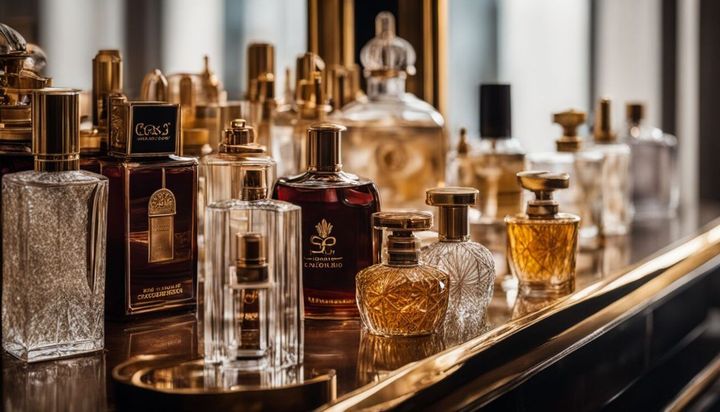
Perfume making has historical roots in ancient Egypt, Mesopotamia, and India, where aromatic oils were used for rituals and personal identity. Over centuries, this practice developed into a structured discipline combining chemistry, sensory science, and artistry.
Modern luxury perfume is defined less by branding and more by formulation complexity, ingredient balance, and scent longevity. It focuses on precision rather than intensity and relies on established fragrance structures.
Why Luxury Perfume Knowledge Matters Today
Understanding how perfume works helps consumers make informed fragrance choices and avoid confusion caused by vague labeling. Many people assume stronger scent equals higher quality, which is not always accurate.
This topic affects fragrance users, cosmetic researchers, dermatology professionals, and regulatory bodies. It also addresses common issues such as skin sensitivity, scent fatigue, and incorrect storage practices.
In today’s market, fragrance literacy has become important due to increased awareness around ingredients, allergens, and sustainability. Knowing perfume basics helps users understand why scents change over time and vary between individuals.
Structure of Perfume Notes Explained Clearly
Perfume is built in layers called notes. These layers unfold gradually after application and determine how the fragrance evolves.
Top notes are the first scents detected.
They are usually light and evaporate quickly.
Middle notes form the core character of the fragrance.
They appear after the top notes fade.
Base notes provide depth and longevity.
They remain on the skin for several hours.
Common note categories include:
Perfume Note Timeline Table
| Time After Application | Note Layer | Typical Characteristics |
|---|
| 0–15 minutes | Top Notes | Fresh, sharp, light |
| 15–60 minutes | Middle Notes | Balanced, aromatic |
| 1–6 hours | Base Notes | Deep, warm, persistent |
Key Factors That Define Perfume Quality
Perfume quality is determined by formulation balance rather than scent strength. Several technical factors influence how a fragrance performs.
Ingredient sourcing
Natural and synthetic materials are evaluated for purity and stability.
Concentration levels
Higher oil concentration affects longevity but not necessarily refinement.
Blending precision
Well-balanced blends prevent harsh transitions between notes.
Stability testing
Quality fragrances maintain consistency across temperature and light exposure.
Common Perfume Concentration Comparison
| Type | Fragrance Oil Percentage | Typical Longevity |
|---|
| Eau de Cologne | 2–5% | Short |
| Eau de Toilette | 5–15% | Moderate |
| Eau de Parfum | 15–20% | Long |
| Perfume Extract | 20–30% | Extended |
How Luxury Perfume Is Made
Perfume creation begins with a fragrance brief outlining mood, structure, and performance goals. Perfumers then select aroma compounds based on volatility and compatibility.
The formulation process involves:
-
Measuring aromatic compounds in precise ratios
-
Diluting concentrates using alcohol or carrier bases
-
Allowing maturation for scent stabilization
-
Conducting sensory evaluations on blotters and skin
Maturation allows chemical interactions to settle, improving scent harmony. This phase can last weeks or months depending on the formula.
Recent Developments in the Perfume Industry
Over the past year, several trends have shaped luxury perfume development.
In 2025, increased focus on ingredient transparency led to clearer labeling practices across major markets. Brands now disclose allergen-related compounds more consistently.
Another notable trend is biotechnology-based aroma molecules, developed to reduce environmental impact while maintaining scent complexity.
There has also been growth in gender-neutral fragrance profiles, emphasizing balanced compositions rather than traditional classifications.
Data-driven scent testing using AI-assisted olfactory modeling gained attention in late 2024, improving formula consistency.
Regulations and Policies Affecting Perfume
Perfume production is regulated to ensure consumer safety and environmental responsibility.
In the European Union, fragrances must comply with IFRA Standards and EU Cosmetics Regulation (EC No 1223/2009). These rules limit certain compounds and require safety assessments.
In the United States, perfumes fall under FDA cosmetic guidelines, which focus on labeling accuracy and ingredient safety.
India follows Bureau of Indian Standards (BIS) cosmetic regulations, ensuring compliance with permitted fragrance substances.
Key regulatory areas include:
Tools and Resources for Learning About Perfume
Several educational and analytical resources help users understand fragrance composition.
IFRA Standards Library
Provides safety guidelines for fragrance materials.
Cosmetic Ingredient Review (CIR)
Offers scientific assessments of aroma compounds.
Fragrance Wheel References
Help classify scent families visually.
Digital formulation databases
Used by researchers to analyze aroma interactions.
Shelf-life and stability calculators
Assist in understanding fragrance durability under different conditions.
Frequently Asked Questions About Luxury Perfume
How long does a luxury perfume usually last on skin?
Longevity depends on concentration, skin chemistry, and environmental factors rather than brand classification.
Why does the same perfume smell different on different people?
Body chemistry, skin moisture, and temperature affect how fragrance compounds react.
Are natural ingredients always better than synthetic ones?
Not necessarily. Synthetic materials often provide better stability and allergen control.
What causes perfume scent to fade quickly?
Exposure to heat, light, and improper storage can degrade fragrance compounds.
Final Thoughts on Luxury Perfume Understanding
Luxury perfume is best understood as a structured sensory product shaped by chemistry, regulation, and creative balance. Its value lies in formulation integrity, not marketing language or intensity.
By learning about notes, quality indicators, and regulatory frameworks, users can better interpret fragrance labels and scent behavior. This knowledge also supports informed discussions around safety, sustainability, and modern fragrance innovation.
A clear understanding of perfume basics helps reduce misconceptions and promotes responsible fragrance usage in everyday life.