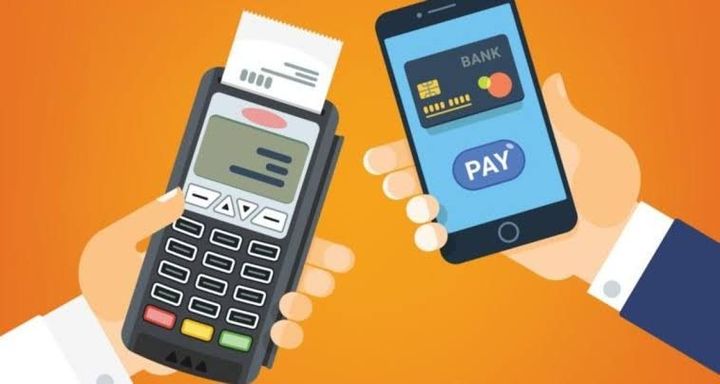
Digital Payment Solutions: Explore Payment Gateways, Transaction Tools and Business Benefits
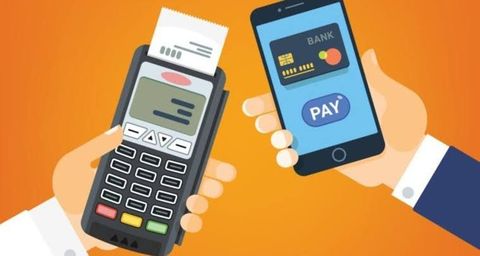
Digital payment solutions allow businesses to receive, process, track and reconcile payments electronically. They support transactions through websites, mobile applications, physical stores, point-of-sale terminals and other digital channels.
In India, businesses can accept payments through Unified Payments Interface (UPI), debit and credit cards, net banking, QR codes, payment links, mobile wallets and other electronic methods. These options help companies accommodate different customer preferences while improving transaction visibility and reducing dependence on manual payment collection.
A digital payment setup usually involves several participants, including the customer, merchant, acquiring bank, issuing bank, payment gateway, payment aggregator and payment network. Each participant performs a different role in authorising, processing or settling a transaction.
The right solution depends on the company's business model, transaction volume, customer base, integration requirements and risk profile. An online retailer may need a website checkout gateway, while a local distributor may prioritise UPI QR payments, payment links and automated invoice reconciliation.
Why Digital Payment Solutions Matter for Businesses
Digital payments have become an important part of India's commercial infrastructure. The government's March 2026 announcement reported that UPI accounted for 81% of retail digital payment transactions by volume in FY 2024–25. This demonstrates the importance of supporting convenient electronic payment methods for Indian customers.
Businesses can benefit in several ways:
Convenient collections: Customers can complete transactions using familiar payment methods.
Faster transaction visibility: Digital records help finance teams monitor collections and outstanding payments.
Improved customer experience: A straightforward checkout process can reduce unnecessary payment steps.
Better financial reporting: Transaction histories support accounting, reconciliation and management reporting.
Remote payment acceptance: Businesses can collect payments without requiring customers to visit a physical location.
Recurring collection management: Suitable systems can support subscriptions, instalments and scheduled payments.
Business expansion: Online payment acceptance can help companies reach customers across different locations.
Digital payments do not automatically guarantee higher revenue or eliminate transaction disputes. Their effectiveness depends on payment reliability, customer experience, security controls and the company's collection processes.
Types of Digital Payment Solutions
Businesses can combine multiple payment methods rather than depending on a single transaction channel.
1. Payment Gateways
A payment gateway is a technology platform that securely transmits payment information between a merchant's website or application and the relevant payment processing participants.
When a customer enters payment details or selects a payment method, the gateway helps initiate the transaction and communicate its status.
Common gateway features include:
Website and mobile application integration.
Card and UPI payment acceptance.
Payment authentication.
Transaction status notifications.
Refund initiation and tracking.
Payment reporting.
Fraud monitoring tools.
Developer integration options.
A gateway is primarily a technology layer. A payment aggregator, by contrast, facilitates payment acceptance and settlement for merchants under the applicable regulatory framework. Some providers combine both capabilities.
2. Unified Payments Interface (UPI)
UPI enables customers to transfer money between participating bank accounts through compatible applications.
Businesses can accept UPI payments through:
Static QR codes.
Dynamic QR codes.
UPI payment links.
Website checkout.
Mobile application integrations.
Merchant payment applications.
Static QR codes are commonly used in physical stores, while dynamic QR codes can be generated for specific invoices or transaction amounts.
UPI is particularly useful for retailers, restaurants, educational institutions, professional firms and small businesses that want to provide a familiar payment option.
3. Debit and Credit Card Payments
Card payments allow customers to complete transactions using eligible debit and credit cards.
Businesses can accept card payments through online gateways, physical POS terminals and supported contactless payment devices.
Important capabilities include:
Domestic and eligible international card acceptance.
Card authentication.
Tokenisation support.
Transaction notifications.
Refund processing.
Chargeback management.
Recurring card payment arrangements where supported.
Companies should review the card networks supported by a provider, its security controls, settlement arrangements and applicable transaction charges.
4. Net Banking
Net banking allows customers to make payments directly through their participating bank accounts.
It can be useful for transactions where customers prefer bank-based payment methods, including higher-value purchases and certain institutional payments.
A gateway may connect the merchant checkout process with participating banks and communicate the payment outcome.
5. Mobile Wallets and Prepaid Payment Instruments
Digital wallets and prepaid payment instruments allow users to maintain or access stored value for eligible transactions.
Depending on the instrument and provider, customers may use these facilities for online purchases, merchant payments and other permitted activities.
Businesses should confirm the wallet types supported by their payment provider and understand applicable RBI rules governing prepaid payment instruments.
6. Payment Links and QR-Based Collections
Payment links allow businesses to request payment without building a complete online checkout system.
A merchant can generate a payment link and share it through approved communication channels, invoices, email or messaging platforms.
QR-based collections provide another convenient option for physical and remote payments.
These tools are particularly useful for:
Consultants and professional firms.
Educational institutions.
Small retailers.
Wholesalers and distributors.
Home-based businesses.
Businesses collecting advance payments.
Companies managing customer invoices.
Payment Gateway vs Payment Aggregator
The terms payment gateway and payment aggregator are often used together, but they describe different functions.
| Feature | Payment Gateway | Payment Aggregator |
|---|---|---|
| Main role | Technology that facilitates payment communication | Facilitates payment acceptance and settlement |
| Fund handling | Generally does not handle customer funds | Handles funds under the applicable regulatory framework |
| Merchant relationship | Provides technical integration | Onboards merchants and facilitates payment processing |
| Settlement role | Does not independently settle merchant funds merely by providing gateway technology | Coordinates settlement through prescribed arrangements |
| Regulatory position | Technology providers are subject to applicable requirements; RBI has also issued recommended baseline technology standards | Regulated by RBI under the applicable payment aggregator framework |
| Typical use | Checkout integration and transaction communication | Merchant payment collection and settlement |
Businesses should understand which entity is responsible for merchant onboarding, transaction processing, fund handling, refunds and dispute resolution.
Important Payment Gateway Features
A payment gateway should be evaluated on its technical capabilities and operational reliability rather than its advertised feature count alone.
1. Multiple Payment Methods
A useful gateway should support the payment methods relevant to the company's customers.
Depending on the provider, these may include UPI, cards, net banking, wallets and other eligible payment instruments.
2. Easy Website and Application Integration
Integration options may include:
Hosted checkout pages.
Website plugins.
Mobile application software development kits.
Application programming interfaces.
Payment links.
E-commerce platform integrations.
The best option depends on the company's technology resources and required level of checkout customisation.
3. Transaction Tracking
A payment dashboard should make it easy to identify:
Successful transactions.
Failed payments.
Pending transactions.
Refund requests.
Settled amounts.
Disputed payments.
Transaction reference numbers.
These records help finance and customer support teams investigate payment-related questions.
4. Automated Reconciliation
Payment reconciliation involves comparing gateway transactions, bank settlements, invoices and accounting records.
Useful features include settlement reports, transaction exports, reference number matching and automated reconciliation tools.
A good reconciliation process can help identify missing settlements, duplicate entries, payment mismatches and unresolved refunds.
5. Refund and Dispute Management
Businesses need a clear process for handling refunds, failed transactions, chargebacks and customer complaints.
A payment platform should provide transaction-level references, status updates and relevant supporting information.
The company should also define internal responsibilities for reviewing disputes and responding within applicable timelines.
Digital Payment Tools for Different Business Models
Different business types have different payment requirements.
| Business type | Suitable payment tools | Main business purpose |
|---|---|---|
| Ecommerce retailer | Gateway, UPI, cards and net banking | Online checkout |
| Local retail store | UPI QR and POS terminal | In-store collections |
| Educational institution | Payment links and recurring mandates | Fees and scheduled payments |
| Subscription business | Recurring payment tools and e-mandates | Periodic collections |
| Distributor or wholesaler | UPI, bank transfers and payment links | Invoice settlement |
| Professional firm | Payment links and QR codes | Client collections |
| Large enterprise | Gateway APIs, ERP integration and reconciliation | High-volume transaction management |
Businesses should select tools according to actual collection workflows rather than adopting unnecessary features.
Popular Digital Payment Platforms in India
Several companies operate in India's digital payment ecosystem. Their capabilities, eligibility requirements, pricing arrangements and supported payment methods may differ.
Razorpay
<Entity value="Razorpay" category="brand" disambig="Indian payment gateway and payment infrastructure provider"/> provides online payment acceptance and related business payment tools. Its capabilities include payment gateway integration, payment links and other merchant payment features.
Cashfree Payments
<Entity value="Cashfree Payments" category="brand" disambig="Indian payment gateway and payment infrastructure provider"/> provides payment collection and payout infrastructure, with capabilities for online businesses and digital platforms.
PayU
<Entity value="PayU" category="brand" disambig="Digital payment technology and payment gateway provider"/> supports online payment processing and merchant payment acceptance across supported channels.
CCAvenue
<Entity value="CCAvenue" category="brand" disambig="Indian online payment gateway provider"/> provides payment gateway facilities and supports multiple payment methods for online merchants.
PhonePe Payment Gateway
<Entity value="PhonePe" category="brand" disambig="Indian digital payments and financial technology company"/> provides payment-related products for merchants, including digital payment acceptance capabilities.
Paytm for Business
<Entity value="Paytm" category="brand" disambig="Indian digital payments and financial technology company"/> provides merchant-oriented payment products, including QR-based acceptance and other business payment facilities.
Before selecting a platform, companies should verify current product availability, onboarding conditions, supported payment methods, settlement terms, integration documentation and applicable charges directly with the provider.
How to Choose the Right Digital Payment Solution
A structured evaluation can help businesses avoid selecting a platform that does not match their operational needs.
1. Identify Customer Payment Preferences
Review how customers prefer to pay. A business serving local consumers may need UPI QR acceptance, while an online retailer may require cards, UPI, net banking and wallet support.
2. Evaluate Transaction Volume
Estimate the expected number and value of transactions. Consider whether the platform can support seasonal demand, higher transaction volumes and business expansion.
3. Review Settlement Timelines
Settlement refers to the transfer of collected funds to the merchant's designated bank account.
Compare:
Standard settlement timelines.
Settlement cut-off times.
Weekend and holiday processing.
Refund processing periods.
Reserve or delayed settlement conditions.
Reconciliation reports.
Actual settlement timing depends on the provider, payment method, bank arrangements and applicable risk controls.
4. Compare Pricing and Transaction Charges
Review the complete pricing structure, including:
Transaction processing charges.
Payment method-specific charges.
Applicable taxes.
Refund-related charges, if any.
International payment charges.
Integration or platform charges.
Other account or settlement-related fees.
Do not compare providers only on one advertised rate. Examine the total applicable charges for the payment methods the business expects to use.
5. Check Integration Requirements
A company using an ecommerce platform may prefer a ready-made plugin, while a technology business may need API-based integration and custom reporting.
Check documentation, testing environments, technical support and the process for handling integration failures.
6. Assess Security and Reliability
Review authentication, encryption, fraud monitoring, access controls, incident response and transaction monitoring capabilities.
Businesses should also check whether the provider has appropriate regulatory authorisation for the activities it performs.
Security and Fraud Prevention in Digital Payments
Payment security is essential because digital transactions involve financial information, personal data and access to payment systems.
Companies should establish controls at both the payment-provider level and the internal business level.
Important measures include:
Use authorised and reputable payment providers.
Enable multi-factor authentication for administrative accounts.
Restrict access to payment dashboards according to employee responsibilities.
Use secure website connections and updated software.
Avoid storing sensitive card information unless the business has the necessary compliant infrastructure.
Monitor unusual transaction patterns and repeated failed attempts.
Verify refunds and high-value transactions through documented procedures.
Keep payment integration credentials confidential.
Maintain records of disputes, suspicious transactions and security incidents.
Train employees to recognise phishing and payment-related fraud.
Businesses should never ask customers to disclose their UPI PIN, card PIN or OTP to complete a normal merchant payment. Such credentials must remain confidential.
Business Benefits of Digital Payment Solutions
Improved Cash Flow Visibility
Digital payment records help finance teams monitor collections and identify outstanding invoices. More frequent transaction updates can improve cash flow forecasting.
Reduced Manual Work
Automated payment notifications and reconciliation tools can reduce repetitive data entry and simplify accounting workflows.
Better Customer Convenience
Multiple payment methods give customers flexibility and may reduce friction during checkout.
Easier Transaction Monitoring
Centralised dashboards can help management review payment success rates, refunds, failed transactions and settlement performance.
Support for Business Expansion
Online payment acceptance can help businesses transact with customers beyond their immediate physical location, subject to applicable domestic and international payment rules.
Improved Financial Records
Electronic transaction references and reports can support accounting, internal audits and financial reviews.
Common Challenges Businesses Should Prepare For
Digital payment systems can introduce operational challenges that need regular monitoring.
Payment failures: Transactions may fail because of network interruptions, bank availability, authentication issues or incorrect customer details.
Settlement delays: Funds may not reach the merchant account within the expected period because of processing schedules, risk reviews or bank-related issues.
Chargebacks and disputes: Cardholders may dispute transactions, requiring merchants to provide evidence and respond within the applicable timeframe.
Fraudulent activity: Stolen credentials, phishing, fake payment confirmations and unauthorised account access can create financial exposure.
Integration problems: Incorrect gateway configuration or outdated software can interrupt payment acceptance.
Reconciliation differences: Gateway reports, bank credits and accounting records may not always match automatically.
A written payment operations policy should define who monitors transactions, handles refunds, investigates disputes and reconciles settlements.
Recent Developments in India's Digital Payment Ecosystem
1. RBI Payment Aggregator Directions, September 2025
On 15 September 2025, the Reserve Bank of India issued the Master Direction on Regulation of Payment Aggregator (PA). The framework consolidates regulatory requirements for payment aggregators, including authorisation, merchant due diligence and escrow account arrangements.
Businesses should verify that the provider handling their payment aggregation activities meets the applicable regulatory requirements.
2. Updated Digital Payment Authentication Framework
The RBI issued the Authentication mechanisms for Digital Payment Transactions Directions, 2025 on 25 September 2025.
The framework provides principles for authentication in digital payments and supports the use of suitable authentication mechanisms as technology develops. Payment participants must follow the applicable requirements and implementation timelines.
3. Cyber Resilience Requirements
The RBI's 2024 Master Directions on Cyber Resilience and Digital Payment Security Controls for non-bank Payment System Operators prescribe security and risk management requirements through a phased implementation schedule.
The schedule includes implementation for medium non-bank payment system operators from 1 April 2026, with different timelines for other categories.
4. Continued Growth of UPI
Government and NPCI figures published in 2026 show that UPI recorded approximately 24,161.69 crore transactions in FY 2025–26, with a transaction value of approximately ₹314 lakh crore.
This continued growth highlights the importance of UPI acceptance, reliable transaction reporting and appropriate payment security for businesses.
Laws and Regulatory Requirements in India
Digital payment operations may involve several laws, regulations and industry requirements.
Payment and Settlement Systems Act, 2007: Provides the statutory framework for the regulation and supervision of payment systems in India.
RBI Payment Aggregator Directions, 2025: Establish regulatory requirements for payment aggregators, including authorisation, merchant onboarding, due diligence and fund handling.
RBI Authentication Directions, 2025: Set out principles and requirements for authentication of digital payment transactions.
RBI Cyber Resilience Directions, 2024: Establish cybersecurity and technology risk controls for authorised non-bank payment system operators.
Prepaid Payment Instruments Directions: Govern applicable prepaid payment instruments and related issuer responsibilities.
Information Technology Act, 2000: Provides a legal framework relevant to electronic records, electronic transactions and certain cyber-related matters.
Digital Personal Data Protection Act, 2023: Establishes a framework for processing digital personal data, subject to its provisions, commencement notifications and applicable rules.
PCI DSS: A payment card industry security standard relevant to organisations that store, process or transmit cardholder data. Businesses should understand the requirements applicable to their payment environment and provider arrangements.
The regulatory responsibilities of a merchant differ from those of a bank, payment aggregator or payment system operator. Businesses should identify their role in the payment chain and follow the requirements applicable to their activities.
Practical Checklist Before Implementing Digital Payments
Companies can use this checklist when setting up or reviewing a payment system:
Identify the payment methods customers need.
Compare payment gateways and aggregators.
Verify the provider's regulatory status and merchant onboarding requirements.
Review transaction charges and settlement conditions.
Confirm website, application or POS integration requirements.
Test successful, failed and pending transactions.
Establish refund and dispute procedures.
Configure payment notifications and transaction reports.
Set up automated or periodic reconciliation.
Apply access controls and authentication safeguards.
Monitor fraud indicators and unusual activity.
Train finance and customer support employees.
Review provider performance regularly.
Frequently Asked Questions
1. What are digital payment solutions?
Digital payment solutions are electronic systems that help individuals and businesses send, receive, process and track payments. Examples include UPI, payment gateways, card processing, QR payments, net banking, digital wallets and payment links.
2. What is the difference between a payment gateway and a payment aggregator?
A payment gateway provides technology that transmits payment information between a merchant and payment participants. A payment aggregator facilitates merchant payment acceptance and fund settlement under the applicable RBI regulatory framework.
3. Which digital payment method is suitable for small businesses in India?
UPI QR codes, payment links and merchant payment applications can be practical starting points for many small businesses. Companies that operate websites or mobile applications may also need a payment gateway supporting multiple payment methods.
4. How do businesses receive money through a payment gateway?
After a customer completes a payment, the transaction is processed through the relevant payment participants. The payment provider coordinates the applicable settlement process, and funds are transferred to the merchant's designated bank account according to the agreed settlement schedule.
5. How can a business improve digital payment security?
Businesses can improve security by using appropriate payment providers, protecting administrative accounts, applying authentication controls, monitoring suspicious transactions, securing integrations and maintaining documented refund and dispute procedures.
Conclusion
Digital payment solutions have become an important part of modern business operations. Payment gateways, UPI, card acceptance, QR payments, payment links and transaction management tools allow companies to collect payments across different customer channels.
The right solution should support the company's transaction volume, payment preferences, accounting processes and security requirements. Businesses should also examine settlement timelines, pricing arrangements, integration capabilities and regulatory responsibilities before selecting a provider.
With India's digital payment ecosystem continuing to expand, companies that combine convenient payment options with reliable reconciliation, fraud prevention and compliance processes can build more organised and scalable payment operations.